REVIEW · ISLAND KAYAK TOURS
Browns Island Motukorea Sea Kayak Tour
A volcanic island waits across the harbour. The Browns Island Motukorea Sea Kayak Tour gives you a four-hour paddle from St Heliers Bay to one of Auckland’s most unusual reserves, combining open-water views, Māori and European history, wildlife, and geology in one outing. I like the direct route from the city’s eastern waterfront, and I like that the island visit leaves plenty of time to explore rather than simply paddle past.
The small group limit of 16 should help keep instructions personal, while the guide adds context that you would miss on your own. The main caution is simple: this is not an effortless beginner paddle. One participant did not reach the island after finding the sea kayaks difficult to handle, although guide Chris was described as friendly and helpful. You should be comfortable with several hours on the water before booking.
Key points to know before you book
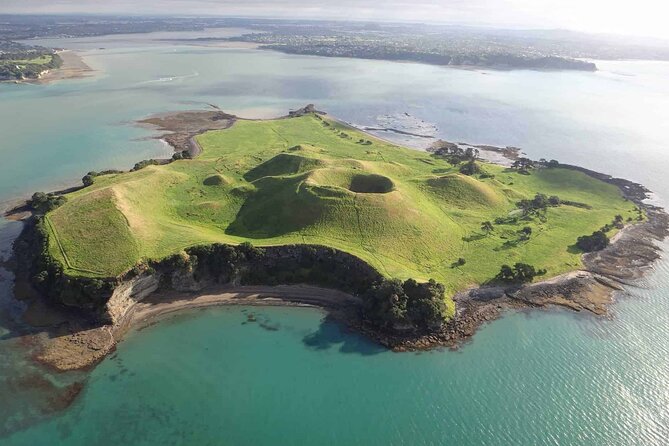
- Browns Island is a 25,000-year-old volcanic cone: You get a close look at part of Auckland’s active volcanic field, not just a pleasant harbour outing.
- The route takes about four hours: The first hour is spent paddling from St Heliers Bay, about two hours on Browns Island, and one hour returning.
- The island carries several layers of history: Māori farming and fishing, early European settlement, volcanic shell beds, and New Zealand’s first aeroplane trials are all part of the story.
- A maximum of 16 people keeps the group manageable: That matters when you need paddling guidance or want to hear the guide’s explanations.
- Sea conditions affect the whole day: The tour requires good weather, and the crossing may be too demanding for someone with no sea kayaking experience.
- The price is $93.09 per person: Group discounts may improve the value if you are booking with friends or family.
Starting at St Heliers Bay at 10:00 am
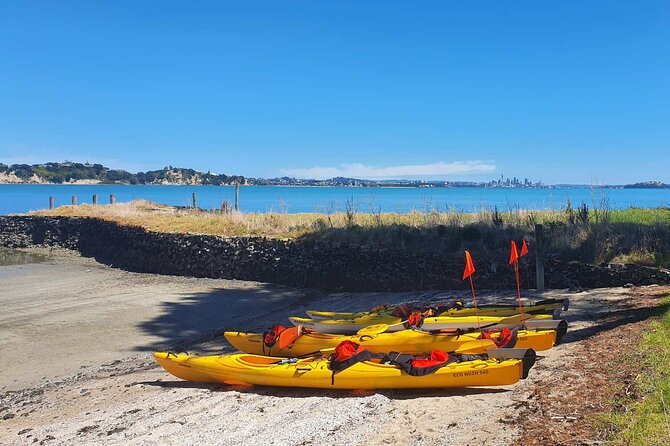
Your day begins at the St Heliers Bay Boat Ramp on Tamaki Drive, at 10:00 am. This eastern Auckland launch point puts you straight beside the water, with no long transfer from the city included or required.
The setting is useful because the tour is built around the paddle itself. You are not driven to Browns Island for a short walk. You make the crossing under your own effort, then return the same way. That makes the outing feel more like a small expedition than a standard sightseeing stop.
The group can include up to 16 people. That is large enough to create a friendly group atmosphere, but still small enough for the guide to keep an eye on the paddlers. It also gives you a reasonable chance to hear explanations about the island, harbour, birds, and volcanic features.
I would arrive ready for a physical activity, not a casual boat cruise. The supplied information does not state the exact kayak type, clothing provided, or training procedure, so ask the operator about those points before setting out. This is especially important if your only kayaking experience has been on calm lakes or sheltered rivers.
More Island Kayak Tours in New Zealand
- Sunset kayak tour to Rangitoto Island
★ 5.0 · 168 reviews - Day sea kayak tour Rangitoto Island
★ 5.0 · 79 reviews - Auckland: Sunset & Night Sea Kayak Tour to Rangitoto Island
★ 5.0 · 60 reviews
The first hour across the Hauraki Gulf
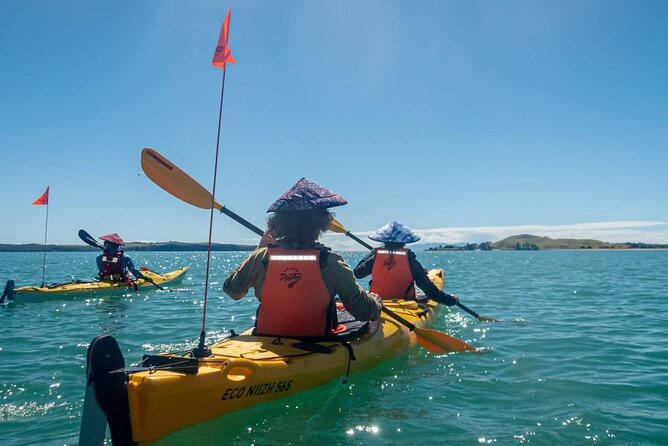
The outward paddle takes about an hour. From the water, you get views across the Hauraki Gulf and Waitematā Harbour that are quite different from those seen along Tamaki Drive. The route gives you time to settle into the kayak, find a steady rhythm, and watch the shoreline change as Browns Island comes closer.
The trip is designed for beginners, but that should not be read as a promise of effortless paddling. Beginner-friendly usually means instruction is available and the route is suitable under the right conditions. It does not remove wind, chop, distance, or the need to steer a sea kayak.
That distinction matters here. One person in the group found the kayaks difficult to use and did not make it to Browns Island. The guide, Chris, was described as friendly and helpful, but a supportive guide cannot make poor sea conditions or an unsuitable skill level disappear.
I would book this crossing if you are reasonably active and willing to learn as you go. If you want a gentle first taste of kayaking, ask about the expected conditions before paying. The tour has a strong rating of 4.8 from nine submitted ratings, but the experience can still vary sharply with the weather and your comfort on open water.
Keep an eye out for marine life during the crossing. The route is intended to include opportunities to observe marine creatures and bird species, although the information does not promise particular animals or sightings. Treat wildlife as a bonus, not the main reason to book.
Browns Island and its volcanic past
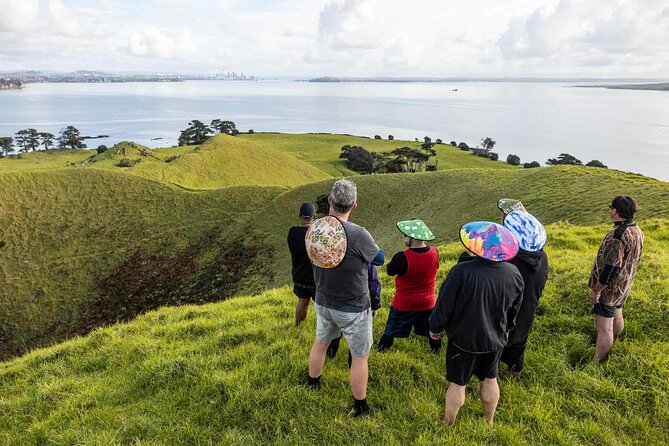
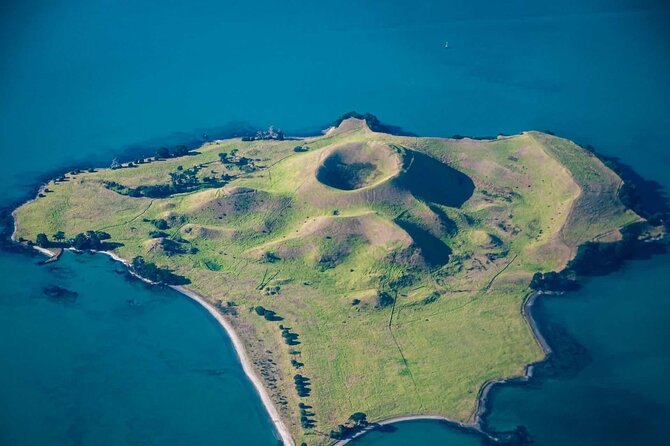
Browns Island, also called Motukorea, is a volcanic cone formed by an eruption about 25,000 years ago. It belongs to Auckland’s active volcanic field, a fact that gives the island more weight than its modest size might suggest.
The island is now uninhabited and protected as a recreational reserve and wildlife sanctuary. After landing, you can expect about two hours to take in the scenery, hear the guide’s explanations, and look at the remains of earlier settlement. The information does not specify a detailed walking route, so the exact balance between walking, talking, and free time may depend on the group and conditions.
The geology is one of the best reasons to choose this trip. Auckland’s volcanic cones are often treated as viewpoints, but Browns Island lets you connect the scenery with the forces that formed it. You are seeing a place created by an eruption within a still-active volcanic region, rather than simply standing on a high hill.
The island also has value for students and anyone curious about field science. Its volcanic features, geology, and conservation work create natural subjects for study. You do not need to be a geology student to appreciate that the island works as an outdoor classroom.
Māori farming and the island’s early settlers
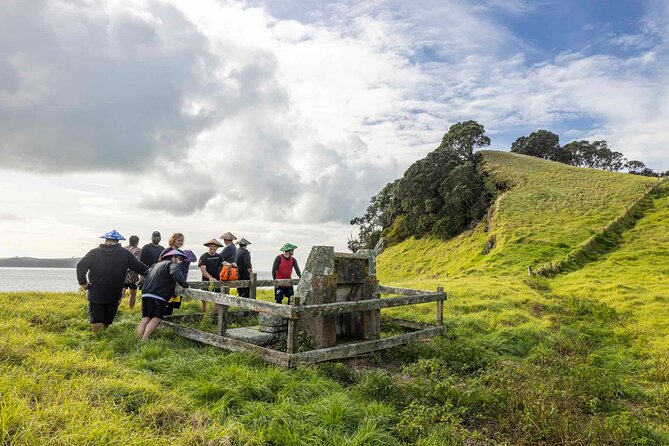
Long before the kayaking trip became possible, Māori communities farmed and fished around Browns Island. Remnants of pā sites point to the island’s role as a lived and defended place, not an empty cone in the harbour.
That context changes how you see the stop. The island is not only a scenic break in the paddle. Its slopes and shoreline carry evidence of food production, settlement, and coastal life. A guide who can explain those remains well adds real value, since the signs of past use may not be obvious at first glance.
European settlement added another unusual chapter. Early settlers swam horses across the harbour to the island. It is an odd image, but it helps you picture how people once used the harbour before modern transport made these crossings routine.
The volcanic shell beds provide another layer of interest. Remnants of the Sydney mud cockle were found within them, giving the island a connection to past coastal environments and changing shorelines. This is the kind of small detail that makes the stop rewarding for curious people who enjoy unusual facts more than grand monuments.
The guide’s storytelling appears to be a major part of the outing. One highly positive account singled out the instructor’s strong grasp of the area and its stories. I would pay attention during the island stop, because the background turns a short walk into something more memorable.
More Sea Kayaking in New Zealand
- Motukorea / Browns Island Sea Kayak Journey
★ 5.0 · 35 reviews - Rangitoto Island: Sea Kayak & Summit Hike Day Trip
★ 4.8 · 31 reviews - Auckland: Browns Island (Motukorea) Sea Kayak Tour
★ 5.0 · 22 reviews - Auckland: Half-Day Sea Kayak Tour to Motukorea Island
★ 5.0 · 6 reviews
The 1909 flight attempt at the summit
One of Browns Island’s strangest stories concerns Alex and Claude Barnard. In 1909, the brothers launched a homemade flying machine from the island’s peak in an early attempt to get New Zealand aviation off the ground.
The attempt is remembered as the nation’s first aeroplane trials. You may not find a large aviation museum or dramatic structure at the site, but the story gives the summit a clear sense of purpose. It was not only a lookout. Someone once considered it a launch point for a machine built with limited resources and plenty of nerve.
I like this detail because it links the island’s natural setting with a very human experiment. Māori farming, horse swimming, volcanic science, conservation, and early aviation all occupy the same small piece of land. That range is what makes Browns Island more interesting than a simple picnic reserve.
The supplied information does not specify exactly how the aviation story is presented on the island, so do not book expecting a full aviation exhibit. Think of it as one of the guide’s stories and one more reason to pay attention as you explore.
Birds, reptiles, and a reserve without residents
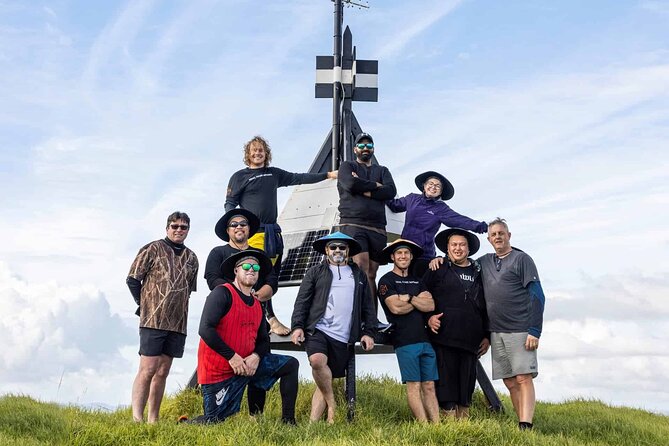
Browns Island is uninhabited today, which gives the reserve a different feel from Auckland’s busier waterfront areas. Native birds found there include tūī, pūkeko, and silvereyes. Skinks and geckos also live on the island.
You might see some of these animals during the stop, but no wildlife encounter is guaranteed. The best approach is to treat the island as a protected habitat first and a viewing opportunity second. Keep your attention open, move carefully, and let the guide explain what belongs to the island’s natural community.
The wildlife story also adds meaning to the conservation side of the tour. Browns Island is not just a place preserved because it is scenic or historic. It is also a refuge for native species close to Auckland. That makes the short crossing feel worthwhile for anyone interested in how protected places survive near a major city.
The lack of permanent residents is part of the appeal, but it also means you should not expect a busy visitor centre or a long list of facilities. The attraction is the reserve itself, its natural setting, and the stories attached to it.
The two-hour island stop
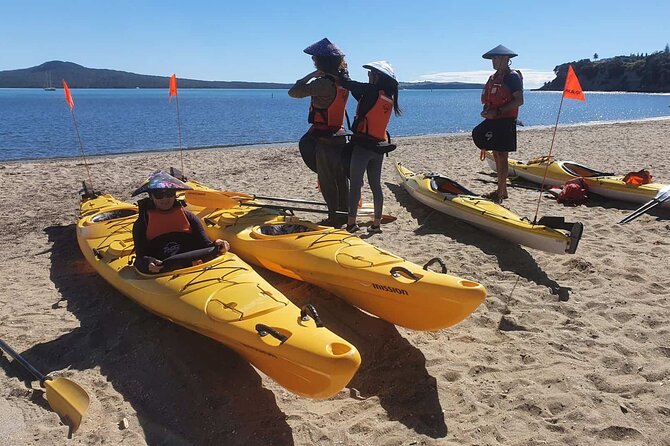
Two hours on Browns Island is a sensible amount of time for this type of outing. You have enough time to get out of the kayak, explore without rushing, and hear about the island’s past. It also breaks up the physical effort of the outward crossing before the return paddle.
The stop should suit you if you like a mix of activity and interpretation. You will not spend all four hours paddling, and you will not spend the day on land. That balance is one of the tour’s strongest features.
I would use the island portion to ask questions. The guide can connect the pā remains, volcanic shell beds, wildlife, and aviation story into one picture of the place. The best value comes from those connections, not from ticking off a list of sights.
There is one practical limitation: the exact walking conditions are not described. The information confirms the island visit, but not the length or surface of any walk. If you have concerns about walking on uneven ground, ask the operator before booking rather than assuming the stop is fully level.
Returning to St Heliers by kayak
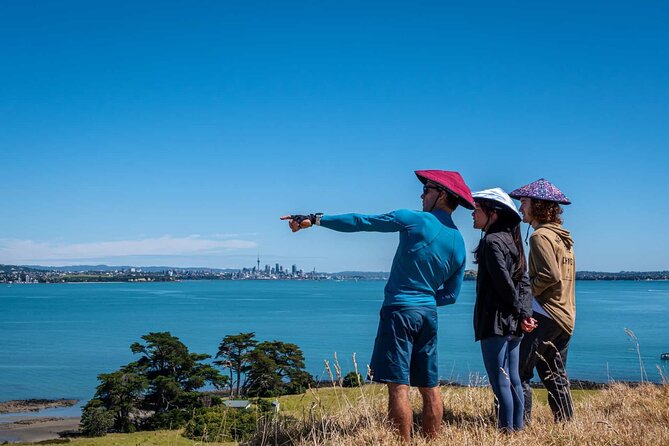
The return paddle takes about an hour. You follow the water back from Browns Island to the St Heliers Bay Boat Ramp, where the activity ends at the same meeting point.
By this stage, you will have had time to adjust to the kayak. That can make the return more comfortable, but it can also feel tiring if the outward crossing was hard. The total duration is about four hours, so plan your energy for the complete outing rather than treating the first hour as the main challenge.
The return route gives you another chance to view the harbour and look for marine life and birds. Conditions can change during the day, which is one reason the weather requirement matters. A calm outward trip does not guarantee identical conditions later.
Because the activity ends where it starts, you do not need to arrange a separate pickup from the island or another waterfront location. The meeting point is St Heliers Bay Boat Ramp, 384 Tamaki Drive, St Heliers, Auckland 1071.
Is $93.09 good value?
At $93.09 per person, this is fair value if you want more than a short kayak lesson or a harbour paddle. The price covers about four hours of activity, the island crossing in both directions, time on Browns Island, and interpretation about geology, Māori use, settlement, aviation, and conservation.
The value is strongest for people who would otherwise need to arrange several separate activities. You get Auckland harbour views, a volcanic reserve, wildlife potential, and a guided history lesson in one half-day outing. The small group limit also matters, since a maximum of 16 people should make the experience more personal than a large commercial excursion.
The price may feel less attractive if you are mainly seeking a relaxed scenic cruise. You are paying for physical participation, and one person found the kayak challenging enough not to reach the island. Group discounts may help if you are booking with friends or family.
The tour is commonly booked about 32 days ahead. That suggests you should not assume a last-minute place, especially if your Auckland dates are fixed. Confirmation is provided at booking, and mobile tickets make the practical side straightforward.
Weather, cancellation, and who should book
Good weather is required. If poor conditions cancel the tour, you are offered another date or a full refund. If the minimum number of participants is not reached, you are also offered another date or experience, or a full refund.
You can cancel for a full refund up to 24 hours before the start time. Changes or cancellations made less than 24 hours before the local start time are not accepted for a refund.
I would recommend this trip to:
- People who enjoy active sightseeing and can manage a four-hour outing
- Visitors interested in Auckland’s volcanic origins
- Anyone who likes local stories, especially Māori, settlement, and aviation history
- Students and researchers looking for a field setting connected to geology or conservation
- Groups that want the possible benefit of a group discount
I would be cautious if you have never used a sea kayak, dislike open-water conditions, or want a completely gentle morning. Most people can participate according to the supplied information, but the account involving an inexperienced paddler is an important warning. Ask about expected sea conditions and kayak instruction before booking.
Should you book Browns Island Motukorea?
Book it if you want Auckland sightseeing with real effort behind it. The paddle earns the island visit, and the island rewards you with volcanic science, Māori and settler stories, native wildlife, and the remarkable 1909 aviation attempt. I especially like the mix of outdoor activity and useful context, plus the manageable maximum group size.
Skip it if you are looking for a passive boat ride or have no confidence in a sea kayak. The tour is described as suitable for beginners, but not every first-timer will find the crossing easy. For a reasonably active person who checks the weather, prepares for the full four hours, and values an unusual Auckland story, $93.09 is a sensible price.
FAQ
Where does the Browns Island kayak tour start?
It starts at St Heliers Bay Boat Ramp, 384 Tamaki Drive, St Heliers, Auckland 1071, New Zealand.
What time does the tour start?
The stated start time is 10:00 am.
How long does the experience last?
The experience lasts about four hours. The outward paddle takes about one hour, the Browns Island stop takes about two hours, and the return paddle takes about one hour.
Where does the activity finish?
It finishes back at the St Heliers Bay Boat Ramp, the same place where it starts.
How much does the tour cost?
The listed price is $93.09 per person. Group discounts are available.
How many people can join the tour?
The maximum group size is 16 people.
Is the tour suitable for beginners?
The route is designed for beginners, but sea kayaking can still be difficult for people without experience. One participant did not reach Browns Island after finding the kayak challenging.
What happens if the weather is poor?
The tour requires good weather. If it is canceled because of poor weather, you can choose another date or receive a full refund.
Can I cancel for a full refund?
Yes. You can cancel at least 24 hours before the local start time for a full refund. Cancellations or changes made less than 24 hours before the start time are not accepted.
More Sea Kayaking in Auckland
- Dubrovnik: Sea Kayaking&Snorkelling Guided Day/Sunset Tours
★ 4.9 · 2,869 reviews - Dubrovnik: Sea Kayaking & Snorkeling Tour
★ 5.0 · 1,646 reviews - X-Adventure Sea Kayaking Half Day Tour in Dubrovnik
★ 5.0 · 1,316 reviews - Byron Bay: The Byron Bay Sea Kayak Tour
★ 4.6 · 1,207 reviews
More Island Kayak Tours in Auckland
- Phang Nga Bay Sea Cave Canoeing & James Bond Island by Big Boat
★ 5.0 · 4,666 reviews - Halong Bay Day Tour With Titop Island, Cave, Kayak & Lunch
★ 5.0 · 2,551 reviews - Phuket: James Bond Island Longtail Boat and Sea Canoe Tour
★ 4.8 · 2,364 reviews - Magnetic Island Discovery Tour with Snorkeling & Paddle Boarding
★ 5.0 · 1,372 reviews
Just added around Auckland
- Motukorea / Browns Island Sea Kayak Journey★ 5.0 · 35 reviews
- Auckland City Lights Night Kayaking Tour★ 5.0 · 21 reviews
- Auckland Bioluminescence Kayak Tour★ 5.0 · 31 reviews
- Rangitoto Island: Sea Kayak & Summit Hike Day Trip★ 4.8 · 31 reviews
- Auckland: Browns Island (Motukorea) Sea Kayak Tour★ 5.0 · 22 reviews
- Auckland: City Lights Night Kayak Tour★ 5.0 · 11 reviews
- Auckland: Bioluminescence Kayak Tour with Guide★ 4.4 · 42 reviews
- Auckland: Sunset & Night Sea Kayak Tour to Rangitoto Island★ 5.0 · 60 reviews
Island Kayak Tours, side by side.
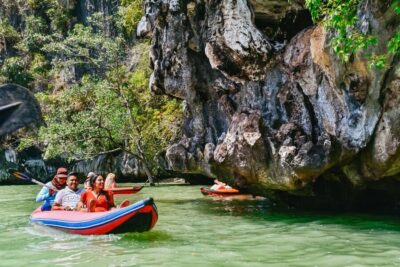
Phang Nga Bay Sea Cave Canoeing & James Bond Island by Big Boat
Read our review →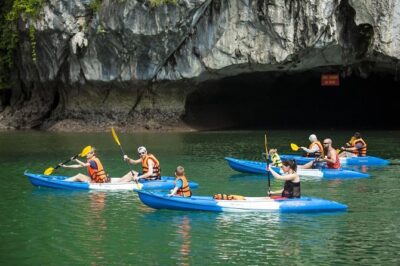
Halong Bay Day Tour With Titop Island, Cave, Kayak & Lunch
Read our review →James Bond Island Longtail Boat and Sea Canoe Tour
Read our review →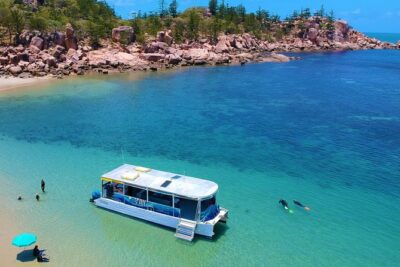
Magnetic Island Discovery Tour with Snorkeling & Paddle Boarding
Read our review →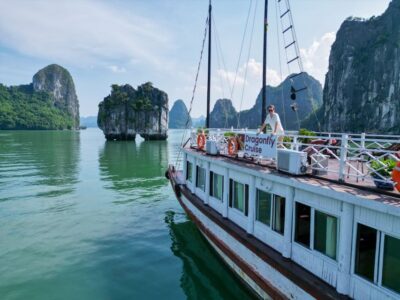
Islands & Caves Ha Long Cruise with Lunch & Kayaking
Read our review →