
REVIEW · MANGROVE KAYAKING
Bohol: SUSTAINABLE Mangrove Tunnels & Firefly Kayaking trail
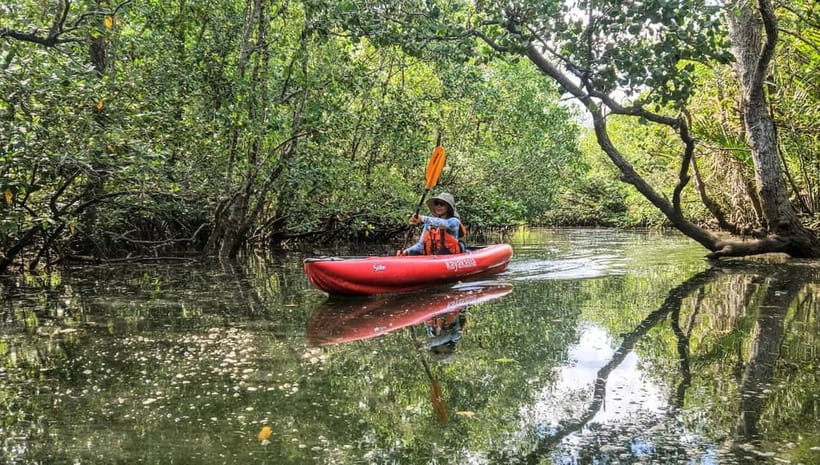
The river glows after sunset. This five-hour eco-adventure on Bohol’s Abatan River pairs quiet paddling through mangrove tunnels with a rare firefly show, local food, and conservation lessons from guides who know these waterways well. I especially like the no-motor kayaking route and the generous home-cooked Filipino meal at the end. The main thing to watch is timing: the listed activity segments add up to more than five hours, and pickup times can vary by location.
I also like that the tour treats the river as a living community resource, not just a backdrop for photos. Guides such as Vince, Jeremy, MacMac, and Raymark have been praised for explaining mangroves, birds, fireflies, and local conservation with real care. The one drawback is that kayaking is a physical activity, and weather can change quickly on the river.
Key points to know before booking
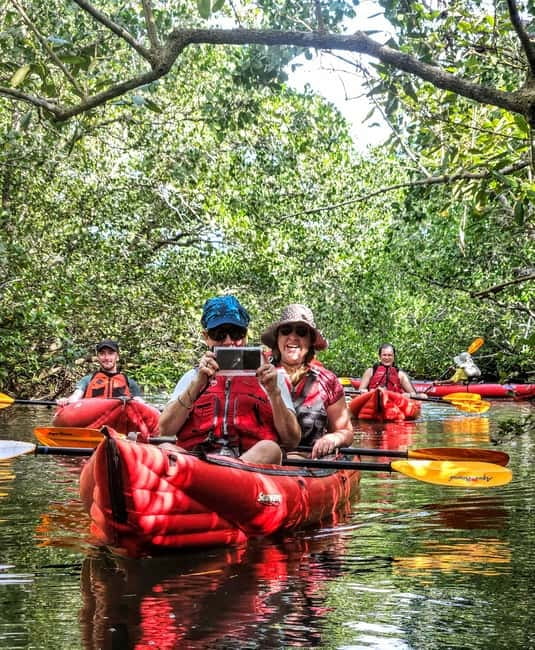
- The firefly trip uses kayaks instead of motorboats, creating a quieter and less intrusive way to view the insects.
- The Abatan River has narrow mangrove channels, nipa palms, and flooded forest areas that you cannot see from a normal road tour.
- A home-cooked Filipino dinner is included, along with local snacks and refreshments during the break.
- Pickup is available from Panglao, Tagbilaran City, and Loboc, though transfer times differ sharply between them.
- The guides focus on conservation, including the role of mangroves in wildlife habitat, marine life, and protection from natural hazards.
- The tour suits beginners and families, but you should bring a change of clothes, insect repellent, water, and sun protection.
Why the Abatan River is worth your evening
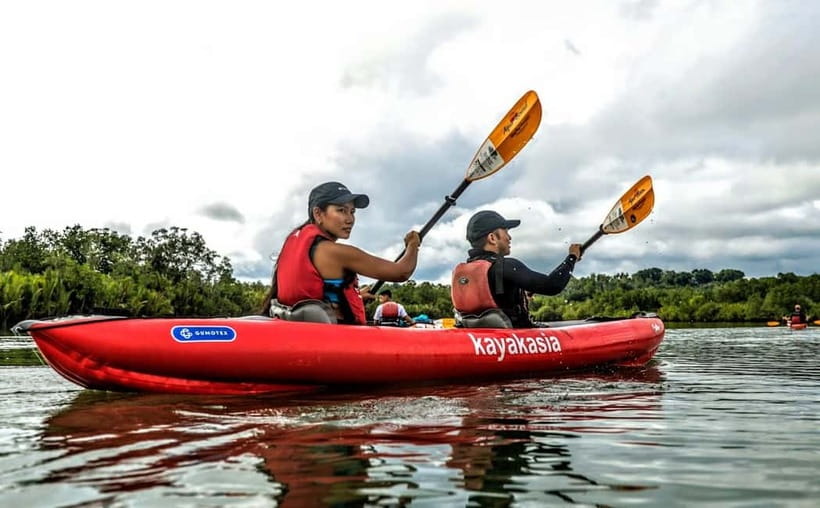
Bohol is famous for beaches, countryside views, and the Chocolate Hills. The Abatan River offers a quieter side of the island. Here, the scenery changes slowly as you paddle past nipa palms, mangrove roots, forest channels, and calm stretches of water.
Mangroves are not just attractive plants along the shore. They provide shelter for young marine life, support birds and other wildlife, and help reduce the force of storms and flooding. A good guide turns the paddle into a lesson in how people and nature rely on one another.
That local connection is one of the best reasons to choose this outing. The guides come from communities along the river, and the tour supports local families and conservation work. You are not simply paying for a scenic ride. Part of the value comes from seeing how tourism can help protect the place you came to enjoy.
The experience is also quiet in a way many river trips are not. You paddle under your own power, so there is no engine noise breaking up the bird calls or the sound of your paddle. That makes the narrow channels feel more private and gives you a better chance to notice small details along the water.
More Mangrove Kayak Tours in the world:
- Sarasota Guided Mangrove Tunnel Kayak Tour
★ 5.0 · 2,440 reviews - Key West Mangrove Kayak Eco Tour
★ 5.0 · 2,205 reviews - Krabi: Kayak Adventure through Ao Thalane Mangrove Forest
★ 4.6 · 2,024 reviews
Pickup from Panglao, Tagbilaran, or Loboc
Round-trip transfers are included from accommodations in Panglao, Tagbilaran City, or Loboc. Tagbilaran is the most convenient base, with an estimated drive of about 15 minutes to the river station. The journey from Panglao or Loboc is closer to one hour according to the tour information.
The schedule also lists a 30-minute van ride each way, so I would confirm the exact pickup time and transfer length when booking. The difference matters because this is an afternoon-to-evening outing, and a longer drive reduces the amount of free time you have before or after dinner.
Pickup is a real advantage if you do not want to arrange a taxi or navigate rural roads after dark. It also makes the tour easier for families and solo visitors. Still, prepare for a full half-day rather than a quick two-hour activity.
The advertised duration is five hours, but the listed sections include a 15-minute safety briefing, two two-hour kayaking sessions, a 45-minute snack break, dinner, and transfers. Added together, those parts suggest a longer schedule. Treat the five-hour figure as an estimate and ask for the pickup and return times.
Getting ready at the river station
On arrival, you receive a safety briefing and basic kayaking instruction. No previous kayaking experience is required, and the equipment includes life jackets and the necessary paddling gear.
This is helpful for first-timers, especially because the route includes narrow channels rather than only wide, open water. You will want to listen closely to instructions about steering, spacing, and staying clear of plants. The rules are simple: do not smoke, litter, or touch the vegetation.
Wear clothing that can get wet. A sun hat, sunscreen, drinking water, insect repellent, and outdoor clothing are all useful. Bring a change of clothes, especially if rain is in the forecast. One person described enjoying the tour even during a downpour, but wet weather can make the return drive less comfortable.
A waterproof phone case or dry bag would be sensible, though these items are not listed as included. The tour information specifically suggests bringing a camera, but keep it secure while paddling. In low light, it is better to watch the river than spend the whole evening trying to capture it.
First paddle: mangrove tunnels and nipa palms
The first kayaking session takes place in the late afternoon. This is the best time to study the river before darkness arrives. You move through mangrove tunnels, winding channels, and forest sections where the water cuts through dense vegetation.
The route is not about speed. You will paddle at a relaxed pace while the guide explains different mangrove species, wildlife, and the river’s role in community life. The narrow waterways are the special part. They bring you close to the plants and make the trip feel more like a small expedition than a standard sightseeing cruise.
The guides have been praised for keeping beginners safe while sharing plenty of detail. Vince, in particular, has been singled out for his care and clear instruction, while Jeremy has been praised for making the afternoon both informative and enjoyable. MacMac is also known for explaining the environmental challenges facing the river and its fireflies.
Birdwatching is an unexpected bonus. You might see birds along the banks and in the mangroves, so keep your eyes moving instead of focusing only on the paddle ahead. Sightings depend on weather, light, and luck, and no wildlife encounter can be guaranteed.
The physical effort is moderate but real. You paddle for roughly two hours before the break, so your shoulders and arms may notice the work. The calm water and guided pace make this suitable for beginners, but anyone looking for a completely passive sightseeing trip should choose a boat tour instead.
A few more paddling days around the world worth a look
- Hanoi: Ha Long Bay Day Cruise – Swimming, Meal, Kayaking
★ 4.7 · 7,415 reviews - Tenerife: Kayak and Snorkel with Turtles, Wetsuits Included
★ 4.6 · 7,215 reviews - Clear Kayak Tour of Shell Key Preserve and Tampa Bay Area
★ 5.0 · 5,800 reviews - Half-Day Emerald Cave Kayak Tour with Optional Hotel Pickup
★ 5.0 · 4,978 reviews
A local snack break by the water
After the first paddle, the group stops for light local snacks and refreshments at the river station. This 45-minute pause breaks up the activity and gives you time to dry off, rest your arms, and talk with the guides.
The food is part of the appeal. The snacks are described as delicious, and the final meal receives especially strong praise for its generous portions and fresh ingredients. This stop is not merely a practical intermission. It gives you a chance to experience local hospitality before heading out under the stars.
Because the food is home-cooked, the exact dishes can vary. That is a positive for anyone who prefers a local meal over a standard packaged lunch, but you should not expect a fixed restaurant menu. If you have dietary restrictions, ask in advance, as no specific dietary arrangements are provided in the tour details.
Second paddle: fireflies after dark
The second kayaking session begins as twilight fades. This is the part that gives the outing its special character. You paddle quietly along the river in search of synchronous fireflies, which flash in a coordinated rhythm.
The effect is subtle rather than loud or theatrical. Tiny lights appear in the trees, then blink together, with reflections flickering on the dark water. On a clear night, the stars add another layer to the scene. The experience depends on natural conditions, but the river setting and silent kayaks give you a far better chance of feeling close to the spectacle.
The tour describes these synchronous fireflies as found in only a few parts of the world, with this level of abundance associated with the Philippines. Your guide will explain the insects and the pressures they face. That context matters because firefly watching is not just about getting a photograph. It is about learning why clean water, healthy vegetation, and low disturbance are important.
Kayaking rather than using a motorboat is a meaningful choice. The lack of engine noise keeps the evening calm and reduces disturbance near the firefly habitat. It also means you must paddle in the dark, so follow the guide and stay with the group.
Do not expect every night to look identical. Cloud cover, rain, and natural wildlife patterns affect visibility. Clear skies can produce the most dramatic display, while a rainy evening may give you a different but still atmospheric river trip. The tour cannot control the insects, and that is part of the bargain when nature is the attraction.
Dinner with the local team
After the night paddle, you return to the base for a home-cooked Filipino dinner. The meal is made with fresh, locally sourced ingredients, and the included serving has been described as generous and, in some cases, three courses.
This is one of the strongest value points in the $85 price. You receive transfers, equipment, two guided kayaking sessions, snacks, a meal, and several hours of local instruction. A cheaper activity might cover only a short paddle, while this outing combines food, transport, guiding, and conservation support.
Dinner also gives the evening a social finish. You can talk with the guides, ask questions about the river, and warm up after the water. The meal takes about 30 minutes in the listed schedule, though the actual pace may depend on the group.
The food is Filipino rather than international hotel fare. I see that as a reason to book, especially if you want the tour to connect with local life. If you are a picky eater, have allergies, or need a special diet, contact the operator before paying.
How strong is the conservation side?
The conservation message appears throughout the outing, not just in a short speech at the beginning. Guides explain how mangroves support marine life, birds, and nearby communities. They also discuss threats to the river and the need to protect firefly habitat.
The team’s work extends beyond the kayak route. Recovered kayak material and waste from river cleanups are turned into practical items such as wallets, card holders, slippers, tires, and keychains. That detail gives you a concrete example of reuse rather than a vague promise about sustainability.
The tour also works with local residents and environmental stewards. Your booking helps support families who have lived beside the Abatan River for generations. That does not make the activity impact-free, but using kayaks, avoiding plant contact, banning litter, and keeping the firefly viewing quiet are sensible measures.
I would ask the guides questions. Where do the mangroves face the most pressure? How do local families use the river? What happens during the rainy season? The staff are clearly eager to discuss these subjects, and the conversation can make the outing more meaningful than simply ticking off a firefly photo.
Is $85 a fair price?
At $85 per person, this is not the cheapest way to see Bohol. The price makes more sense when you count what is included: hotel pickup and return, a safety briefing, kayaking equipment, two guided river sessions, snacks, refreshments, firefly viewing, and a fresh Filipino dinner.
You are also paying for small-group guiding and a low-noise route rather than a quick motorized ride. The exact group size is not provided, so I would ask if that matters to you. A larger group may feel less peaceful, although the team has added guides when group numbers increase.
The strongest value comes from the combination. If you only want to watch fireflies for a few minutes, a less expensive trip may suit you. If you want a full evening with mangrove ecology, local food, active paddling, and community support, the price is easier to justify.
The free cancellation window allows cancellation up to 24 hours before the activity for a full refund, and you can reserve now and pay later. Those terms are useful when your Bohol schedule is still moving, but confirm the final conditions at checkout.
Who will enjoy this most?
I would recommend this for couples, families, solo visitors, and small groups who prefer nature and local food to a crowded attraction. Children have enjoyed the activity, including kids aged seven and ten, but each child must be comfortable wearing a life jacket and paddling for extended periods.
Birdwatchers should bring binoculars if they have them, though the tour only specifically recommends a camera. The daytime route offers the best chance to notice birds and plants, while the evening session is focused on fireflies.
This is less suitable for anyone who dislikes getting wet, sitting in a kayak for long periods, or exercising after a long day. You also need patience. Wildlife sightings are never guaranteed, and the firefly display may change with clouds and rain.
The tour is conducted in English. If you want a high-speed adventure, choose something more active. If you prefer a calm pace, thoughtful guiding, and a meal that feels connected to the place, this is a strong fit.
Should you book the Abatan River tour?
Book it if you want more than a quick photo stop. The best parts are the quiet paddle through narrow mangrove channels, the guide-led explanation of the river, the low-noise firefly viewing, and the generous Filipino dinner.
The tour is especially worthwhile for visitors staying in Tagbilaran, since the river station is relatively close. From Panglao or Loboc, the longer transfer makes the outing a bigger time commitment, so confirm the schedule before booking.
I would skip it only if you want a completely dry, effortless evening or if your plans cannot handle a flexible natural schedule. For everyone else, this is one of Bohol’s better choices for seeing wildlife while supporting the people working to protect it.
FAQ
How long does the Abatan River kayaking tour last?
The advertised duration is five hours. The listed activity sections add up to more time when transfers, kayaking, the snack break, and dinner are included, so confirm the exact pickup and return schedule.
Where does the tour operate?
The kayaking takes place on the Abatan River in Bohol, through mangrove tunnels, nipa palm areas, forest channels, and other river sections.
Is hotel pickup included?
Yes. Round-trip transfers are included from accommodations in Panglao, Tagbilaran City, or Loboc.
How long is the drive to the river station?
The estimated journey is about 15 minutes from Tagbilaran City and about one hour from Panglao or Loboc. The listed itinerary also refers to 30-minute van transfers, so confirm your exact route.
Do I need kayaking experience?
No. The tour includes a safety briefing and basic kayaking instruction, and it is described as suitable for beginners.
Is kayaking equipment provided?
Yes. Life jackets and the necessary kayaking equipment are included.
What food is included?
You receive light local snacks and refreshments during the break, followed by a home-cooked Filipino dinner made with fresh, locally sourced ingredients.
What should I bring?
Bring a sun hat, sunscreen, water, insect repellent, outdoor clothing, and a change of clothes. A camera is also recommended.
Can I see synchronous fireflies?
The evening paddle includes a search for synchronous fireflies. Their visibility depends on natural conditions such as weather and darkness, so sightings and display intensity cannot be guaranteed.
Is the tour available in English?
Yes. The live guide service is provided in English.
Can I cancel the booking?
You can cancel up to 24 hours in advance for a full refund, according to the stated booking terms. Reserve-now, pay-later booking is also available.
Just added around the world
- Paddle with the Penguins★ 4.5 · 19 reviews
- Kayak Chapman’s Peak and Karbonkelberg in Hout Bay★ 5.0 · 7 reviews
- 2-Hour Kayak Rental in Cape May per person★ 5.0 · 9 reviews
- Cape Cod Sunset Kayak Tour★ 5.0 · 9 reviews
- Guided Kayaking in Hout Bay★ 4.5 · 19 reviews
- Self-Guided Kayaking Manatee and Dolphin Tour★ 4.0 · 13 reviews
- Kayak The Creek Nature Tour★ 5.0 · 36 reviews
- Cape Cod Kayak Rentals in the Great Marsh★ 5.0 · 7 reviews
Mangrove Kayaking, side by side.
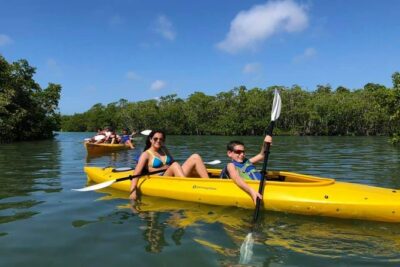
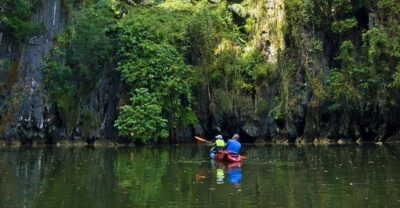
Kayak Adventure through Ao Thalane Mangrove Forest
Read our review →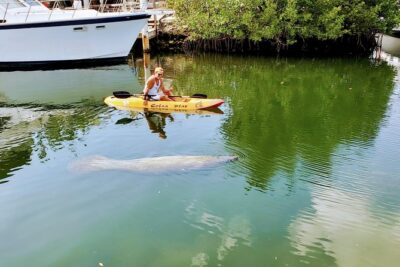
Mangroves and Manatees – Guided Kayak Eco Tour
Read our review →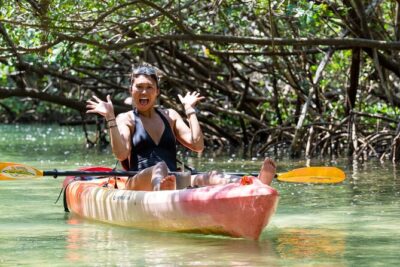
Sarasota Mangrove Tunnel Guided Kayak Adventure
Read our review →
Manatees and Mangrove Tunnels Small Group Kayak Tour
Read our review →
Mangroves, Manatees, and a Hidden Beach: Kayak Tour
Read our review →
Thousand Island Mangrove Tunnel, Manatee & Dolphin Kayak Tour w/Cocoa Kayaking
Read our review →This trip also sits in