
REVIEW · NIGHT AND BIOLUMINESCENT KAYAKING
Holbox: Stars and Bioluminescent Marine Life Kayaking Tour
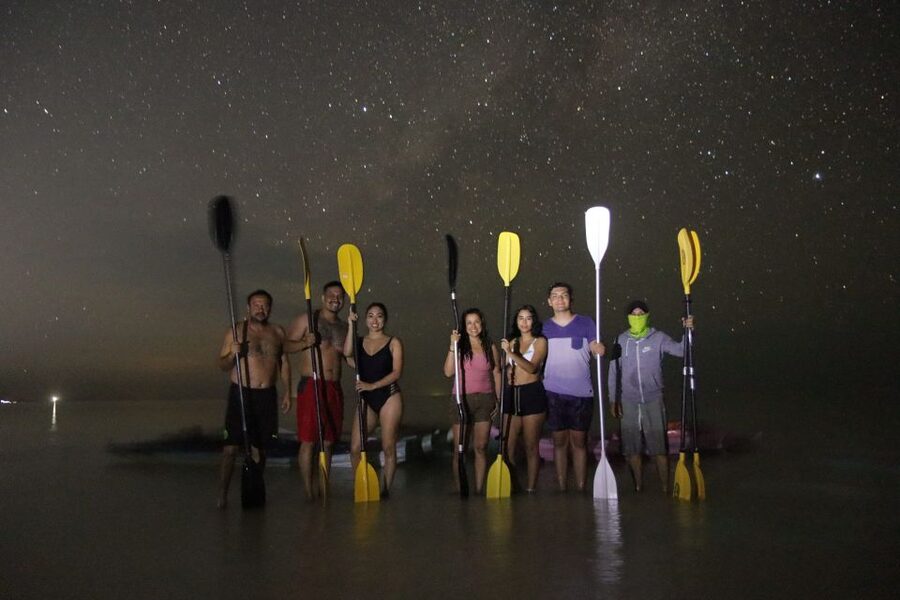
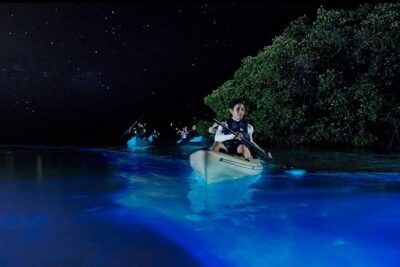
Night water has its own magic. This Holbox kayaking tour pairs clear stars with glowing plankton, giving you two very different sights in one calm evening. I like the low light pollution, which makes constellations, planets, and even shooting stars easier to notice, and I like that the outing ends with a swim through neon-blue marine life. The main catch is that the glow changes with conditions and is strongest in spring and summer.
You get hotel pickup in downtown Holbox, a guide, kayak equipment, and about 90 minutes on the water for $44 per person. Guides such as Diego and Omar have helped make the night memorable with stories about the island, horseshoe crabs, and simple demonstrations of how the plankton reacts to movement. Still, one language review noted that not every explanation was translated fully, so bilingual groups should confirm how the commentary will be handled.
This is best for people who enjoy quiet nature outings more than fast action. You should bring beachwear and expect to get wet. Leave the flashlight and alcohol behind, and do not count on a perfect blue glow every night.
Key points to know before you book
- The plankton is brightest in spring and summer: Rain can make the effect stronger, but moonlight, weather, and water conditions still affect what you see.
- The stars are half the show: Low light pollution helps reveal constellations, three to five planets, and possible shooting stars.
- You swim at the sandbanks: The kayak ride leads to shallow coastal areas where you can see the glow around your hands and body.
- Downtown pickup is included: The stated plan includes hotel pickup and drop-off, though one person was collected and returned about a 15-minute walk from the hotel.
- Guiding quality matters: Diego and Omar earned warm praise for their explanations, while one outing had less star knowledge and limited translation.
- The price is fair for a short specialty tour: At $44, the included transport, guide, and equipment make it reasonable if the bioluminescence is active.
Why Holbox works so well after dark
Holbox is a good setting for this kind of outing because the tour takes you away from the strongest artificial lights. That matters more than it may sound. In a bright resort area, stars fade into the background. Here, you have a better chance to see familiar constellations, a few planets, and perhaps a shooting star while sitting close to the water.
The night also changes the rhythm of the island. Instead of passing shops or looking for another beach bar, you listen to the paddle and the water brushing the shore. The quiet is part of the value. You are not simply being taken to a glowing patch of sea for a quick photo stop. The goal is to slow down and notice what is above and below you.
The tour lasts about 1.5 hours, so it fits neatly into an evening without taking over your whole night. It is long enough for transport, kayaking, stargazing, and a swim, but short enough that you will not feel committed to a major expedition.
More Night Kayak Tours in Mexico
- Bioluminescence by kayak or SUP to Los Arcos Puerto Vallarta
★ 5.0 · 343 reviews - Bioluminescence Tour in Kayak in Holbox Island
★ 4.5 · 165 reviews - Holbox: Guided Bioluminescence Kayaking Tour
★ 4.4 · 143 reviews
The 10-minute golf-cart ride to the launch point
Pickup is listed for accommodations in downtown Holbox. From there, the ride to the launch area takes about 10 minutes by golf cart, followed by a similar ride back at the end. That transfer is useful because you do not need to arrange a taxi or find a remote meeting point in the dark.
There is one practical wrinkle. The stated reference point is in front of Casa Las Tortugas, which is not affiliated with the tour provider. One person expected direct hotel service but was collected and returned roughly a 15-minute walk from the hotel instead. If your lodging is outside the central area, confirm the exact pickup spot before you set out.
At the launch point, you receive kayaking equipment and prepare for the water. The equipment is described as high quality, and dry bags are available for phones and other small items according to one detailed account. Even so, take only what you need. Night kayaking is a poor time to fuss with valuables.
Paddling beneath constellations and planets
The kayak portion is gentle in spirit, but it still requires some coordination. Double kayaks are used in at least some outings, and getting the stroke timing right can create a little family competition and laughter. If you are new to kayaking, expect a few awkward moments at first. That is normal, and the short ride gives you time to settle in.
As you move along the coast, your guide points out stars and explains the constellations visible during that month. You may also be shown your zodiac constellation, depending on the season. The tour description says you can see three to five planets, though the exact number depends on the date and conditions.
This part is strongest when the guide treats the sky as more than decoration. A clear explanation can help you recognize what you are seeing instead of simply hearing that the sky looks pretty. Diego was praised for explaining things clearly, and Omar added information about the island and the glowing water. Those names are worth remembering if you want to request a guide, though there is no promise that either will lead your departure.
The star talk is not equally strong every time. One person found the guide shy and felt that the astronomy commentary was limited, with frequent references to the Big Dipper and passing planes. Another person felt that Spanish-speaking explanations were fuller than the English translation. If astronomy is your main reason for booking, ask about the language of the tour and keep your expectations sensible. This is a nature outing with stargazing, not a formal observatory program.
Reaching the sandbanks for the blue glow
The kayaks eventually reach sandbanks, where you can get into the sea. This is the part most people book for, but it is important to understand what bioluminescence looks like in real life. The plankton does not usually turn the whole bay into a glowing swimming pool. Its light appears when movement disturbs the water, so splashing your hands or moving your body can produce small flashes and blue trails.
At its best, the effect outlines your arms and legs with a cool blue shimmer. One person described a stingray moving away with blue light around it, while another guide found a horseshoe crab and showed it to the group. These encounters are not guaranteed, but they show why the natural setting matters. You are watching living things respond to the water, not a staged light display.
A guide may also show you simple tricks with the water or provide a snorkel so you can see the glow from below. Again, that depends on the guide and conditions, but it adds something useful to the swim. You have more than one way to notice the effect.
The glow is most prominent in spring and summer. Rain may improve its intensity, which is a pleasant surprise for anyone worried about a wet-weather forecast. Still, no guide can promise a strong display. One May outing had little activity, yet the person still found the evening pleasant. If the blue light is your only reason for going, accept that nature controls the schedule.
A moonless night can help. One August outing timed on a moonless evening produced exactly the sort of strong glow people hope to see. When you can choose among dates, a darker night is a sensible preference, but the tour details do not promise a particular moon phase.
Same water, a different day out on it:
- Los Cabos Arch and Playa del Amor Tour by Glass Bottom Kayak
★ 5.0 · 1,317 reviews - Kayak Expedition to the Arch of Cabo San Lucas, Lovers Beach & Snorkel
★ 5.0 · 976 reviews - Los Cabos Power snorkel Adventure, Kayaking and Stand-Up Paddle
★ 4.5 · 872 reviews - 4 Private Cenotes, Zip-Lines, Canoes & Mayan Village with Delicious Lunch
★ 5.0 · 757 reviews
What the water feels like at night
The swim is not a quick photo stop. You are given time to observe the plankton and enjoy the quiet water. That makes the outing feel more personal than a simple paddle past a glowing shoreline.
You should wear swim clothes from the start. A towel is listed as something to bring, but one person found it more practical to leave the towel at the beginning because it only became wet. Another suggested not bothering with a phone, since the glow is difficult to capture and trying to photograph it can pull you away from the moment.
That advice is worth taking seriously. Bioluminescence usually looks better to your eyes than it does in an ordinary phone photo, especially in near darkness. A dry bag protects your phone, but it does not turn the device into a night camera. Keep it available for safety, then give your attention to the water.
Smoking is not allowed, and alcohol is not allowed in the vehicle. Food and drinks are not included, so eat beforehand or plan something for later. The tour is short enough that this is easy to manage.
Guides, language, and the quality of the night
The guide can make a major difference because the sights are subtle. A good guide explains why the plankton glows, identifies stars without overloading you, and points out small wildlife that you might miss. The best accounts praised friendly guides who explained the island, marine life, and astronomy with care.
Diego received especially strong praise for his explanations. Omar was remembered for sharing information about the island and bioluminescence, showing water tricks, and helping the group notice wildlife. Those details suggest that the guide-led part is not filler between the kayak ride and swim.
The experience is offered in English, Spanish, and French. That is helpful for mixed-language groups, but translation may not be equal in every departure. If your group relies on English, ask whether the full commentary will be given in English rather than partly translated from Spanish.
Group dynamics can also affect the mood. One solo participant was allowed to ride in the guide’s kayak rather than paddle alone, which made the outing much more comfortable. Double kayaks can be fun for couples and families, though you and your partner need to share the work. If you prefer complete independence, ask how the kayaks are assigned.
Is $44 good value for 90 minutes?
At $44 per person, this is not the cheapest way to spend an evening in Holbox, but it is a reasonable specialty outing. The price covers downtown pickup and return, a guide, kayaking, and the chance to swim with bioluminescent plankton. You would pay more if you had to arrange transport and equipment separately.
The value depends on what you want from the night. If the glow is strong and the sky is clear, the combination of stars and blue water feels unusual enough to justify the price. The most enthusiastic accounts describe it as a highlight of a return trip to Holbox and an experience they would not want to miss.
If clouds cover the stars and the plankton is faint, the tour becomes a quiet nighttime paddle with an informative guide. That can still be pleasant, but it may not feel like a bargain if you expected a dramatic display. Spring and summer offer the best odds for strong bioluminescence, though March and other months can still produce a good result.
The 4.2 rating from 111 reviews suggests a solid but not flawless outing. The praise is strongest for the setting, the blue glow when conditions cooperate, and guides who explain the natural details well. The complaints focus on pickup accuracy, uneven translation, and guides with limited astronomy knowledge. Those are manageable concerns if you know about them before booking.
Who will enjoy this Holbox night tour?
I would recommend it to couples, families with older children, solo visitors, and anyone who likes nature more than nightlife. It is especially good for a first visit to Holbox because it combines several local features in one short outing: coastal water, dark skies, island ecology, and marine life.
It suits confident beginners more than people who want a technical kayaking session. The focus is on looking and learning, not speed or distance. You should be comfortable getting into a kayak and swimming in the sea, and you should expect to get wet.
This is not a good match for anyone with mobility impairments, despite a separate note describing the activity as wheelchair accessible. The information is inconsistent, so anyone needing accessibility support should contact the provider directly before paying. Do not assume the kayak launch, transfer, or swim access will meet your needs.
It may also disappoint serious stargazers who want detailed astronomy. The sky can be excellent, but the quality of the explanations depends on the guide and the language used that evening.
Booking tips for a better evening
- Choose spring or summer if the glowing plankton is your main goal.
- A moonless night may give you darker skies and a better chance to notice the glow.
- Wear swimwear, and bring a towel only if you are happy carrying a wet one.
- Use the provided dry bag for essentials, but avoid spending the tour trying to photograph the plankton.
- Confirm your exact pickup point, especially if your accommodation is not close to downtown.
- Ask which language the guide will use for the full explanation.
- Plan dinner or drinks separately because neither food nor beverages are included.
- Keep the evening flexible enough to accept a weaker display if the water conditions are not ideal.
Cancellation is free up to 24 hours before the tour, and you can reserve now and pay later. The activity is usually offered in the morning and at night, but the nighttime departure is the one designed for stars and bioluminescence.
Should you book it?
I would book this tour if you want a peaceful, unusual night in Holbox and can accept that nature does not perform on command. The strongest version gives you a dark sky, several bright stars, and blue flashes around your body as you move through the sea. That combination is difficult to reproduce on your own.
I would skip it if you need guaranteed bioluminescence, precise astronomy instruction, or fully dependable hotel-door service. For everyone else, $44 is a fair price for a short guided outing with transport, equipment, and a real chance at one of Holbox’s most memorable natural sights. Go in spring or summer, choose the darkest night you can, and let your eyes do the photographing.
FAQ
How long does the Holbox bioluminescent kayaking tour last?
The kayaking experience lasts about 1.5 hours. The golf-cart ride takes about 10 minutes each way.
What is included in the price?
The price includes downtown Holbox hotel pickup and drop-off, an English-speaking guide, and the kayaking tour. Food and drinks are not included.
When is the bioluminescence strongest?
The effect is most prominent in spring and summer. Rain may increase its intensity, but the amount of visible glow depends on conditions.
Can I swim during the tour?
Yes. The tour reaches sandbanks where you can get into the sea and watch the plankton glow when your movement disturbs the water.
What should I bring?
Bring beachwear and a towel. You should also use the available dry bags to protect small personal items from water.
Is the tour wheelchair accessible?
The activity information gives conflicting details. One section says it is wheelchair accessible, while another says it is not suitable for wheelchair users or people with mobility impairments. Contact the provider before booking to confirm the arrangements for your needs.
Just added around Mexico
- Kayak Tour at Sunset in Cancun★ 5.0 · 63 reviews
- Paddle Board at Sunrise or Sunset in Cancun★ 5.0 · 18 reviews
- Paddleboard Kayak Tour in Cancun★ 5.0 · 62 reviews
- Kayak Adventure in Cancun★ 5.0 · 34 reviews
- Full day tour to BACALAR, Beach Club, Kayak and an amazing Cenote★ 4.5 · 10 reviews
- Kayak from Viudas Beach to Chileno Bay & Snorkel + Beach Time★ 5.0 · 12 reviews
- Private Yacht Cruise 4 Hour- Snorkeling & Paddle Boarding★ 5.0 · 74 reviews
- Paddleboard Expedition to the Arch of Cabo San Lucas, Lovers Beach & Snorkel★ 5.0 · 43 reviews
Night and Bioluminescent Kayaking, side by side.
Phang Nga Bay Bioluminescent Plankton and Sea Canoes
Read our review →
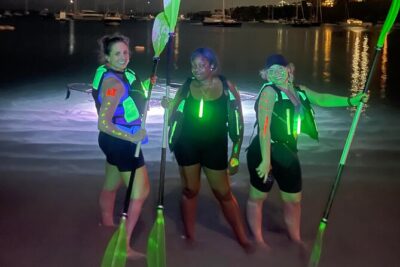
Night Kayak Tour St. Thomas – Westin Frenchman’s Reef
Read our review →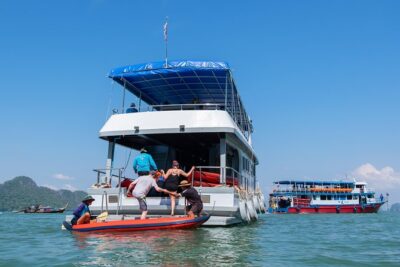
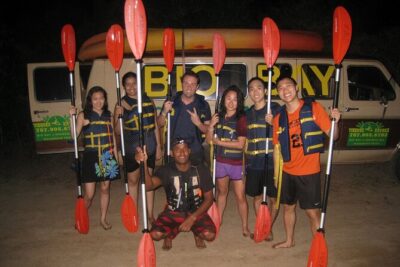
Bioluminescence Night Kayaking Tour of Merritt Island Wildlife Refuge
Read our review →This trip also sits in