
REVIEW · MANGROVE KAYAKING
Langkawi : Kilim Geoforest Mangrove Kayak Tour with Lunch
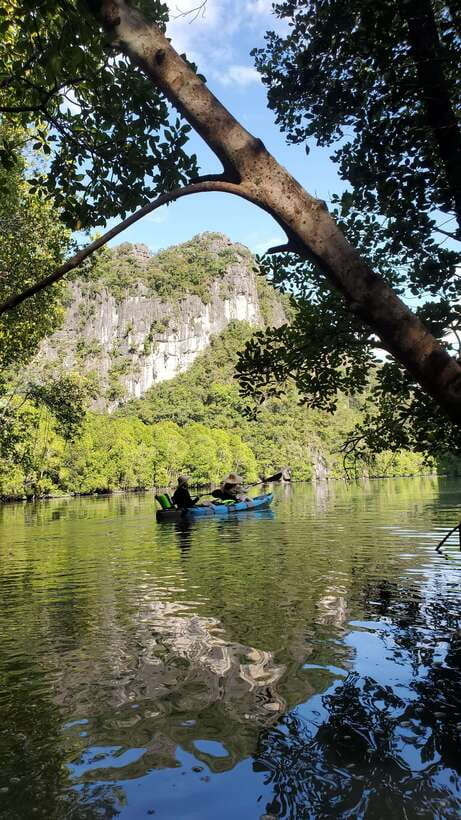
Quiet water makes Langkawi feel wonderfully wild. This four-hour trip takes you into Kilim Karst Geoforest Park by kayak, where limestone cliffs and twisting mangrove channels replace the usual speedboat noise. I like the small-group feel and the chance to reach narrow waterways that larger boats cannot enter.
I also like the thoughtful gear: kayaks with back support, shoulder-style life jackets, drinking water, hats, and waterproof bags. Guides such as Wan, Sham, Musz, Wafiq, and Chiro have earned praise for spotting animals and explaining the forest in clear, friendly English. The main drawback is simple: kayaking takes stamina, especially near the end, and the included meal is tasty but not fancy.
Key points to know before you book
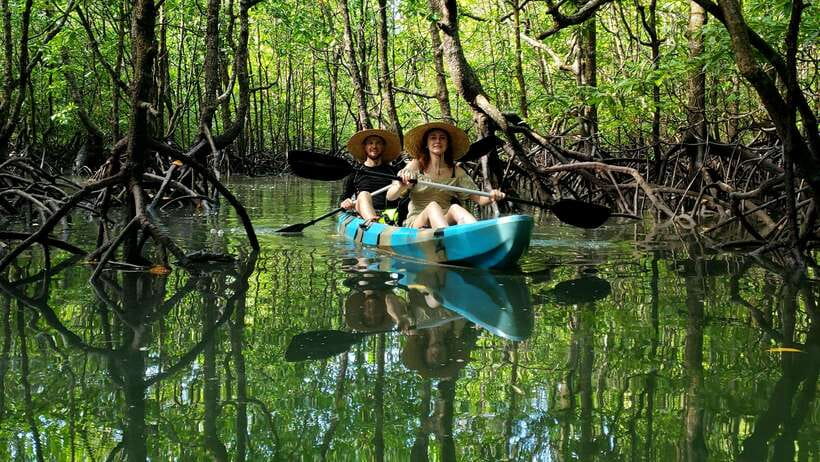
- Kayaks reach narrow mangrove channels: You can paddle into places that are off-limits to larger sightseeing boats.
- Wildlife watching avoids animal feeding: Expect eagles, monkeys, mudskippers, crabs, monitor lizards, bats, and perhaps snakes, but sightings are never guaranteed.
- The guide makes the difference: Wan, Sham, Musz, and other local guides are praised for patience, humor, safety help, and sharp animal spotting.
- The floating restaurant meal is practical and welcome: Expect a simple meal, often including tom yam soup and chicken or vegetable fried rice.
- The activity is beginner-friendly, but not effortless: Stable sit-on kayaks and back support help, though your arms may feel the work after several hours.
- The bat cave is an optional bonus: It adds a memorable stop, but it should be treated as an extra rather than the main reason to book.
Why kayaking gives you a better look at Kilim
Kilim Karst Geoforest Park is best understood slowly. The park’s limestone formations rise above a broad network of tidal mangroves, and a boat can show you the general shape of the place. A kayak gives you something better: quiet access to smaller passages and time to notice what is happening at water level.
You may see mudskippers working the muddy edges, crabs near exposed roots, and fish moving through the shallows. The mangrove forest is not just pretty scenery. Its roots shelter young marine life, hold together the shoreline, and provide food for birds and other animals.
The eco-tourism approach matters here. This experience does not feed the eagles or monkeys. That may sound less dramatic than watching animals rush toward food, but it keeps their behavior closer to normal and avoids encouraging dependence on people.
The tradeoff is that nature does not perform on schedule. You might see eagles, monkeys, otters, bats, monitor lizards, or even a snake. You might also have a quieter wildlife day. A good guide improves your chances, but no responsible tour can promise a particular animal.
More Mangrove Kayak Tours in the world:
- Sarasota Guided Mangrove Tunnel Kayak Tour
★ 5.0 · 2,440 reviews - Key West Mangrove Kayak Eco Tour
★ 5.0 · 2,205 reviews - Krabi: Kayak Adventure through Ao Thalane Mangrove Forest
★ 4.6 · 2,024 reviews
Meeting at Kilim Geoforest Park
You meet at Kilim Geoforest Park in Kedah, specifically at Check Point 1. The meeting point is in the park car area, and finding the correct guide can be easier if you contact the operator in advance through WhatsApp or email.
One practical tip is worth taking seriously: the park area can have several drivers, guides, and tour contacts. Keep walking past the taxi and tour crowd if you are being collected from a port, and confirm the exact meeting location before you arrive. One cruise passenger found the guide near the guard house area after a short walk, so a clear meeting-point photo can save time.
From the meeting point, you walk roughly 100 meters to the jetty for a short boat ride. This is not a long transfer, but it breaks the trip into useful stages. You get an initial view of the park by boat, then switch to a kayak at the kayaking base or floating pontoon.
The safety briefing and first paddle
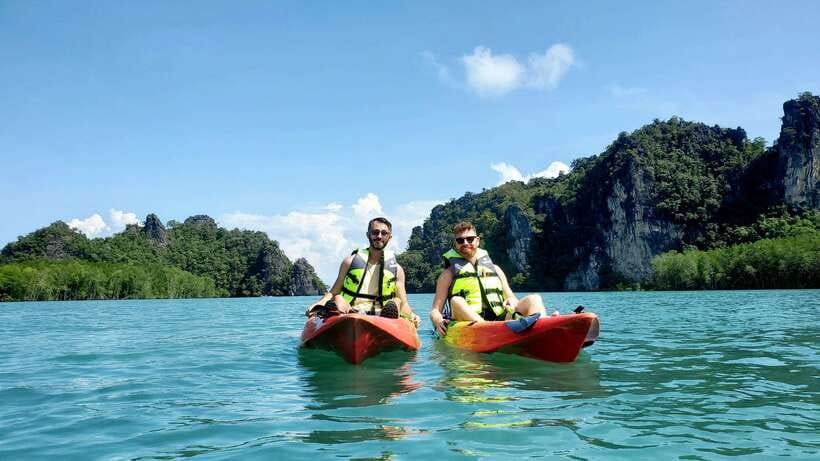
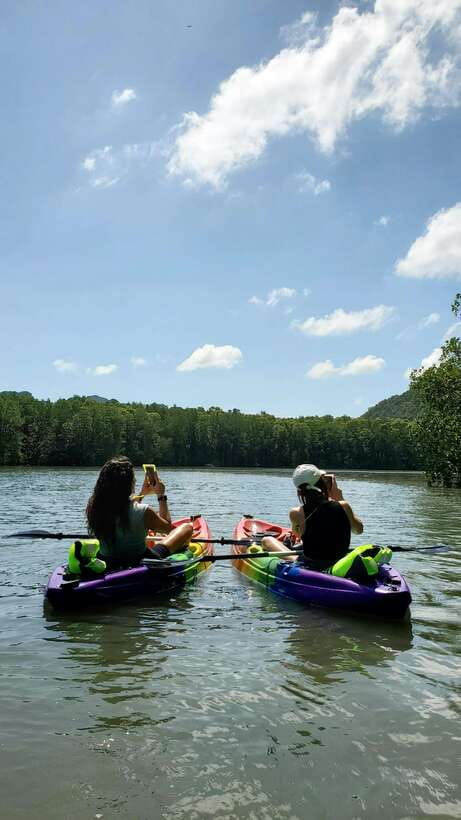
Before you set out, the guide explains basic paddling and safety. You receive a life jacket for the activity, and the kayaks have back support. The sit-on design is stable and easy to steer, which helps first-time paddlers settle in without spending the first half-hour fighting the equipment.
I would still treat beginner-friendly as a careful description, not a promise of effortless exercise. You need enough mobility to get into the kayak and enough arm strength to keep paddling. Several hours on calm water can still leave your shoulders tired.
The supplied equipment is one of the tour’s better practical features. You receive a waterproof bag or case for small belongings, drinking water, and a hat. Still, bring clothes that can get wet and a change of clothes. A towel, sunscreen, sunglasses, and insect repellent also belong in your day bag.
Guides have been praised for slowing down during the briefing and giving extra help to mixed-ability groups. Wan, in particular, is often noted for patient instruction and close attention to safety. That is useful when one person in a pair is new to kayaking and the other has more experience.
Paddling through the mangrove channels
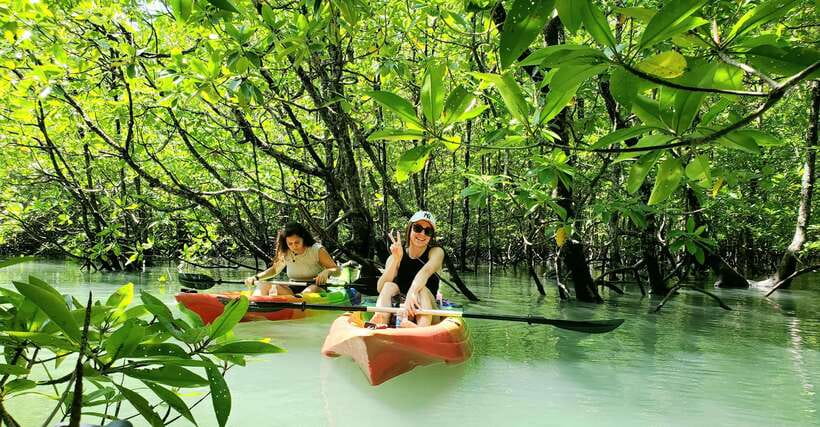
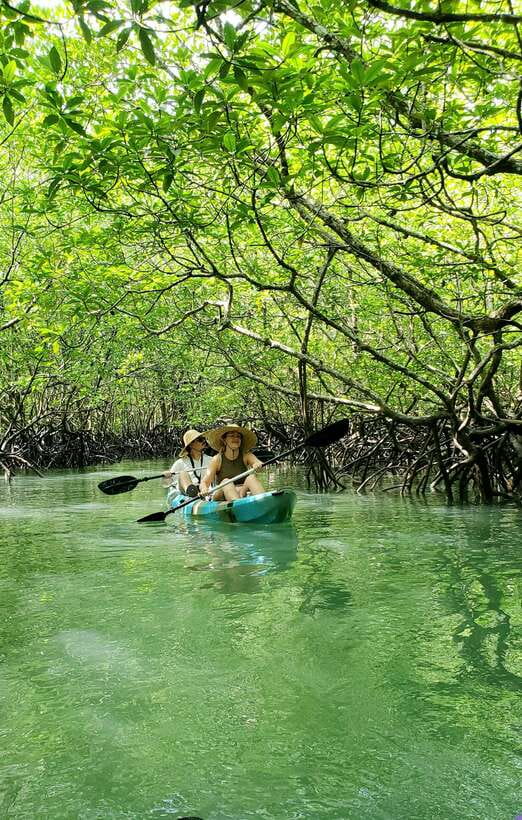
The quietest part of the trip comes once you leave the wider water and enter the mangroves. The pace becomes gentle. Your guide leads the group through winding channels, pointing out small creatures that are easy to miss from a noisy boat.
This is where the kayak earns its place. A motorboat has limits in shallow, narrow passages. You can turn a sit-on kayak into smaller bends, pause without engine noise, and get closer to the roots without touching them.
The guides do not simply point and move on. They explain how the mangroves work, why the area matters, and how local wildlife uses it. Several guides are particularly passionate about conservation, and that enthusiasm gives the tour more purpose than a basic sightseeing ride.
You should expect some splashing. The paddle may drip onto your legs, and the water can enter the kayak area. Comfortable clothing that dries reasonably quickly is a better choice than anything delicate. Leave large luggage behind because oversize bags and luggage are not allowed.
The route is not described as strenuous, but it is not entirely passive. One portion near the end can feel harder for older people or anyone with limited fitness. If you have a normal level of fitness, the activity should be manageable, but plan for regular paddling rather than a scenic ride where someone else does all the work.
More Paddle Days with Lunch in the world:
- Halong Bay Day Tour With Titop Island, Cave, Kayak & Lunch
★ 5.0 · 2,551 reviews - Barcelona: Costa Brava Kayak, Snorkel & Cliff Jump & Lunch
★ 4.9 · 2,391 reviews - Hanoi: Islands & Caves Ha Long Cruise with Lunch & Kayaking
★ 4.4 · 1,317 reviews - Ha Long Bay Cruise Day Tour – Cave, Kayaking, Swimming & Lunch
★ 5.0 · 1,244 reviews
Eagle watching without the feeding show
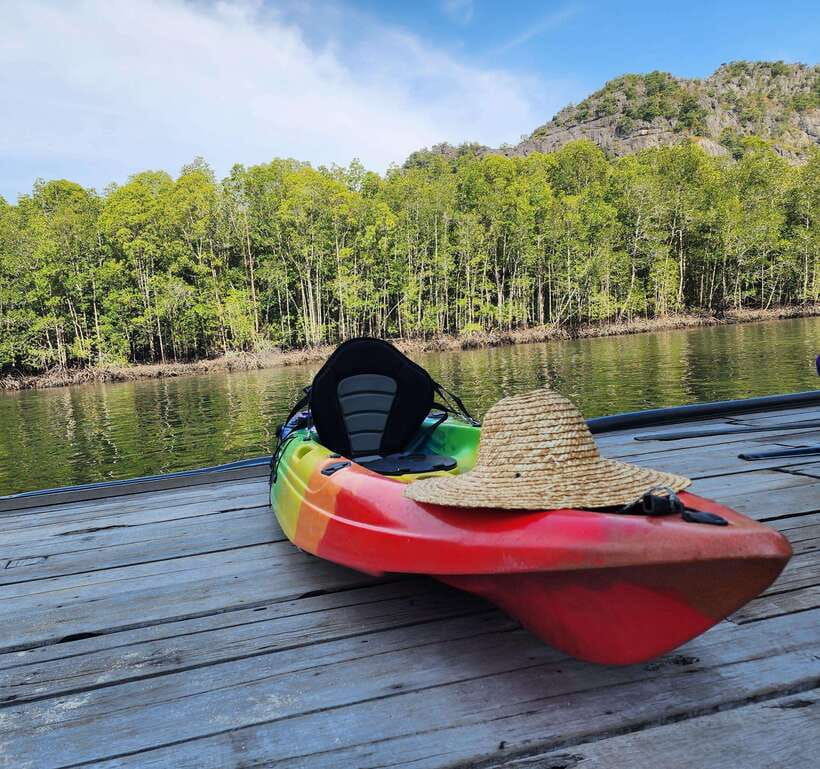
Eagle watching is one of the central parts of the tour. You paddle toward open water where eagles and kites may be visible, then wait while the guide scans the area.
The important detail is the decision not to feed the birds. Feeding can produce an impressive burst of activity, but it can also alter animal behavior and make wildlife dependent on tour boats. Here, you watch from a distance and accept that the birds may not perform on command.
This approach suits you if you value a more responsible wildlife experience. It may disappoint you if you expect a guaranteed close-up spectacle every time. Bring patience, and use the guide’s eyes. Guides such as Wan and Sham are repeatedly praised for spotting animals that many people would miss.
The open water also gives you a change of pace after the enclosed channels. You get wider views of the limestone formations and a chance to rest your attention before heading back among the roots.
Monkeys, mudskippers, and lucky sightings
The animal list can be surprisingly long. Depending on conditions and luck, you might see monkeys, mudskippers, crabs, fish, monitor lizards, sea eagles, otters, bats, tarantulas, and snakes.
Monkeys may appear near the caves or along the mangrove edges. They are entertaining, but give them space. The no-contact approach is best for both you and the animals, especially when monkeys are active around visitors.
Small creatures can be just as interesting as the large ones. Mudskippers seem almost comical as they move over wet mud, while crabs use the roots and banks for shelter. A skilled guide may find a snake resting in a branch or a tiny animal hidden in foliage that you would otherwise pass without noticing.
Do not book this trip only for a particular sighting. Even excellent guides cannot control tides, weather, animal movement, or visibility. The value comes from learning how to read the forest, not from collecting a guaranteed checklist.
The optional bat cave and extra stops
The bat cave is an optional bonus when conditions and timing allow. Its limestone interior adds a darker, cooler contrast to the bright water and mangrove channels. You may see bats inside, and the cave also helps explain how the park’s limestone formations shape the area.
Some outings have also included a fishing farm stop. That gives you another look at how local food production fits into the coastal setting. These additions make the trip feel broader than a simple kayak route, but they should remain secondary in your planning.
If you dislike enclosed caves, you can ask about the optional nature of the stop. If you enjoy unusual wildlife and geology, it is one of the more memorable extras. Guides also keep an eye on monkey activity near the cave, which matters for a relaxed visit.
Lunch at the floating restaurant
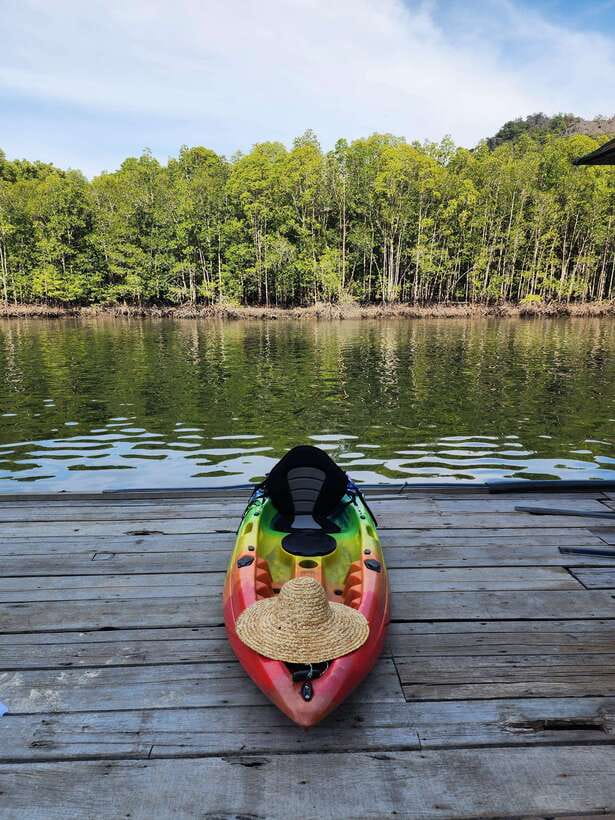
After the paddling, a meal at a floating restaurant gives you a proper pause. This is more than a decorative final stop. Four hours in the sun, even under mangrove shade, makes food and water very welcome.
The meal is straightforward rather than gourmet. A typical combination includes tom yam soup and chicken or vegetable fried rice, with soft drinks and drinking water available. Vegetarian preferences and spice levels can be accommodated, so tell the operator ahead of time if that matters to you.
I would rate the food as good fuel with a pleasant setting. Some people may find it basic, but that is fair for a meal included in an active half-day excursion. You are paying for the kayak, guide, equipment, boat transfer, and access to the park experience, not a restaurant tasting menu.
The floating setting also gives your group time to relax and share photographs. If you have spent the morning concentrating on paddling and wildlife, an unhurried meal makes the ending feel properly paced.
Guide quality is the tour’s strongest feature
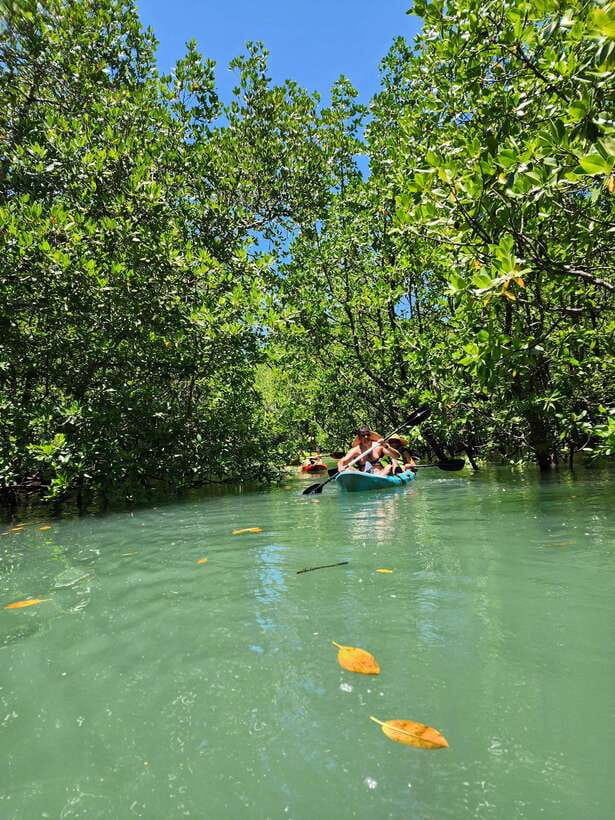
Equipment matters, but the guide shapes the whole day. This tour has received especially strong praise for guides including Wan, Sham, Musz, Wafiq, Chiro, Danish, Sean, and Yan.
The best guides do three jobs at once. They explain the ecology in plain English, keep the group moving safely, and spot animals before you do. Several are also praised for humor, which helps when the group is tired or someone is still learning how to steer.
Wan is often singled out for patient instruction and animal spotting. Sham is praised for his passion, clear English, and cheerful manner. Musz is noted for his care for the local area, while Danish has been especially vocal about environmental protection.
Group size affects the experience. Outings have ranged from very small groups of two to groups of around eight, with four couples sharing four kayaks in one example. Smaller groups make it easier to enter tight channels and ask questions, though exact group size can vary.
Is $59 good value?
At $59 per person, this is not the cheapest way to see Kilim. A basic boat ride may cost less, and a kayak rental without a guide would remove some of the expense.
The value becomes clearer when you count what is included: the short boat transfer, kayak equipment, back-supported kayak, life jacket, waterproof bag, hat, drinking water, guided wildlife watching, the eagle area, and lunch at the floating restaurant. The guide’s local knowledge is also a major part of what you are buying.
I think the price is fair if you want active access to the mangroves and a guide who can explain what you are seeing. It is less attractive if you mainly want a quick scenic ride or a luxury meal.
The no-feeding policy adds value for people who care about conservation. You are not just watching wildlife for entertainment. You are supporting a style of tourism that tries to avoid changing animal behavior.
Who should book this kayak tour?
I would recommend it to first-time kayakers, couples, families with older children, solo visitors who enjoy small groups, and anyone who prefers quiet nature to a fast boat excursion. The stable kayaks and back support make the activity approachable.
You should think twice if you strongly dislike getting wet, have limited arm strength, or want a completely effortless outing. The activity is easy by adventure-tour standards, but you still paddle for much of the route.
The tour is also a good fit for cruise passengers and visitors without a full day to spare. It starts and ends at Kilim Geoforest Park and lasts about four hours, making it easier to fit around other Langkawi plans. Hotel transfers may be arranged separately, but they are not part of the listed inclusions.
Small practical details that make the day better
Wear light, comfortable clothes and assume your lower half may get splashed. Bring sunscreen, sunglasses, insect repellent, a towel, and a full change of clothes.
The activity is suitable for people under 120 kilograms. A life jacket for children below three years old is not included, so families with very young children should confirm arrangements before booking.
Pets, large bags, alcohol, drugs, and oversize luggage are not allowed. There is also no wheelchair inclusion, so ask the operator directly if you have mobility needs.
You can cancel up to 24 hours before the activity for a full refund, and reserve now while paying later. The live guiding is in English. These flexible terms are useful if your Langkawi schedule may change, but you should still confirm the starting time when booking.
Should you book the Kilim kayak tour?
Book it if you want to see Kilim from inside the mangrove forest rather than from a boat window. The strongest reasons are the quiet paddling, narrow channels, careful wildlife watching, capable guides, and the chance to learn why the mangroves matter.
Skip it if you want guaranteed animal sightings, a luxury meal, or a ride that demands no physical effort. For most visitors with ordinary fitness, the $59 price is reasonable because it combines an active nature experience, equipment, guidance, boat transport, and lunch in one half-day outing.
If you book, ask for the exact meeting-point details, bring clothes that can get wet, and arrive ready to paddle at a relaxed but steady pace. The animals are the bonus. The real reward is moving quietly through a part of Langkawi that larger boats cannot show you.
FAQ
Where does the Langkawi kayak tour start and finish?
The tour starts and ends at Kilim Geoforest Park in Langkawi, Kedah. The meeting area is at Check Point 1.
How long does the activity last?
The activity lasts about four hours, including the safety briefing, short boat ride, guided kayaking, wildlife watching, sightseeing, and meal.
What is included in the price?
The price includes lunch or an early dinner at a floating restaurant, a short boat ride to the kayaking hub, kayak equipment, a kayak with back support, a life jacket, waterproof storage, drinking water, a hat, and guided eagle watching. The bat cave may be available as an optional bonus.
Is the tour suitable for beginners?
Yes. The activity is described as easy and beginner-friendly, and the kayaks have back support. You still need enough stamina for several hours of paddling, and the final part may feel tiring.
What should I bring?
Bring sunglasses, a sun hat, sunscreen, comfortable clothing, a change of clothes, a towel, and insect repellent. Wear clothing that can get wet.
Can I cancel or pay later?
You can cancel up to 24 hours in advance for a full refund. Reserve now and pay later is available, subject to the booking terms.
Just added around the world
- Paddle with the Penguins★ 4.5 · 19 reviews
- Kayak Chapman’s Peak and Karbonkelberg in Hout Bay★ 5.0 · 7 reviews
- 2-Hour Kayak Rental in Cape May per person★ 5.0 · 9 reviews
- Cape Cod Sunset Kayak Tour★ 5.0 · 9 reviews
- Guided Kayaking in Hout Bay★ 4.5 · 19 reviews
- Self-Guided Kayaking Manatee and Dolphin Tour★ 4.0 · 13 reviews
- Kayak The Creek Nature Tour★ 5.0 · 36 reviews
- Cape Cod Kayak Rentals in the Great Marsh★ 5.0 · 7 reviews
Mangrove Kayaking, side by side.
Kayak Adventure through Ao Thalane Mangrove Forest
Read our review →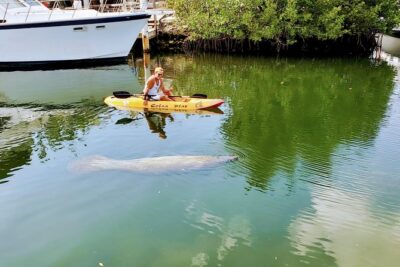
Mangroves and Manatees – Guided Kayak Eco Tour
Read our review →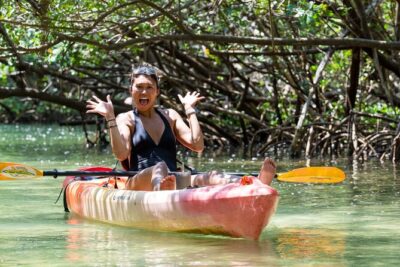
Sarasota Mangrove Tunnel Guided Kayak Adventure
Read our review →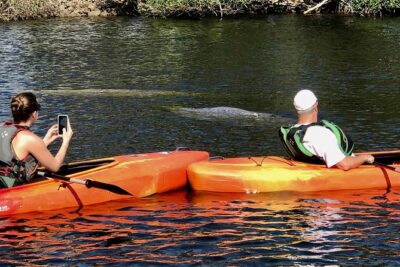
Manatees and Mangrove Tunnels Small Group Kayak Tour
Read our review →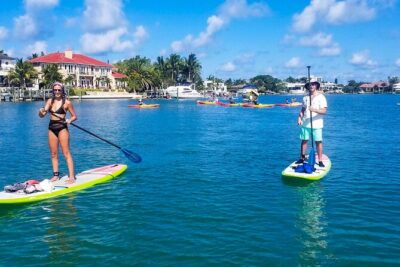
Mangroves, Manatees, and a Hidden Beach: Kayak Tour
Read our review →
Thousand Island Mangrove Tunnel, Manatee & Dolphin Kayak Tour w/Cocoa Kayaking
Read our review →This trip also sits in