REVIEW · SEA CAVE AND GROTTO KAYAKING
Xàbia: San Antonio Marine Reserve Snorkel & Cave Kayak Tour
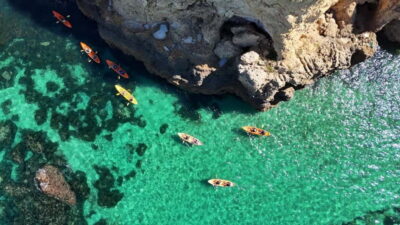
Sea caves reward the paddle. This three-hour outing from Xàbia combines guided kayaking with snorkeling in Cabo de San Antonio’s protected waters, plus time for a cliff jump if you want one. I like the small-group limit of 10, which keeps the outing personal, and I like that kayaks, masks, water shoes, waterproof bags, and photos are included. The main concern is the open sea: rough water has caused seasickness and tipped some kayaks, so conditions matter.
You meet directly on the beach at Av. del Mediterráneo, 5, near a small beach bar and a large Siesta Advisor tent. I also appreciate the practical help from guides such as Marco and Jorn, who have been praised for patience and good humor. Still, this is not a gentle cove paddle. You need to swim, handle a kayak on open water, and be comfortable getting in and out while the kayaks are tied together.
Key points to know before paddling out
- Cabo de San Antonio rises more than 100 meters above the sea, giving the route a dramatic coastal marker.
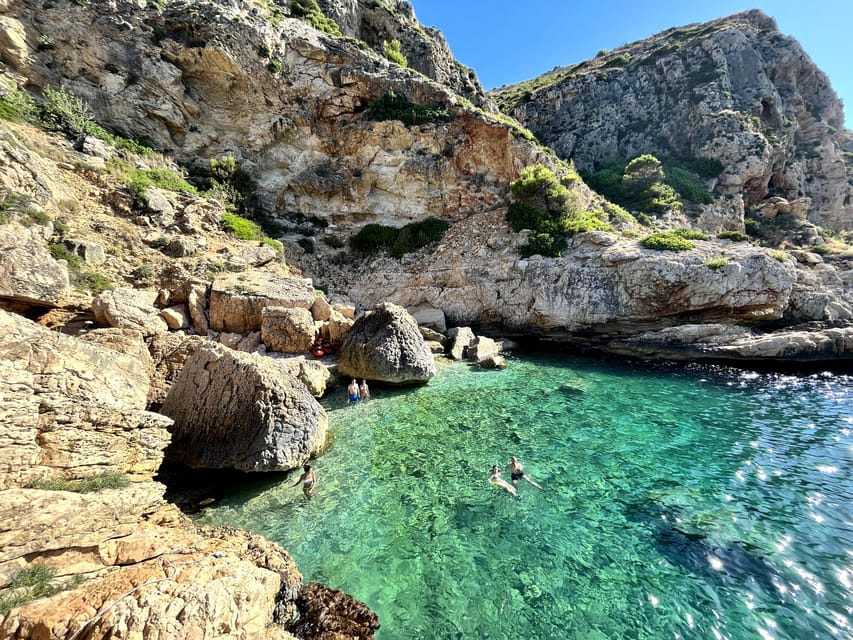
- The snorkeling stop lasts about an hour at Primera Cala de San Antonio, inside the marine reserve.
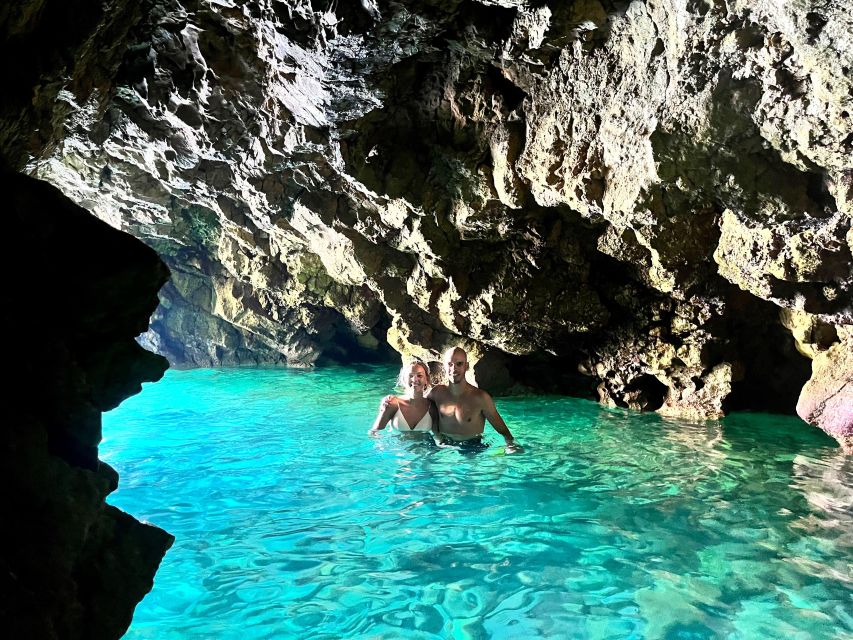
- The cave visit involves water access, with no firm floor except inside the cave itself.
- Cliff jumping is optional, and the guides help keep this part organized and safe.
- The group is limited to 10 people, with Spanish and English guiding.
- The $71 price includes the main gear and photos, but not hotel transportation, food, or drinks.
What the $71 price buys you in Xàbia
At $71 per person, this is not the cheapest way to spend a morning by the sea. It is a reasonable price if you want a guided outing with equipment supplied and several activities packed into three hours. You are paying for the kayak, life jacket, snorkeling kit, water shoes, waterproof bags, guide, and professional photos, rather than bringing your own beach gear and arranging a route yourself.
The small group helps the value. Ten people is enough for a social outing but small enough for the guides to keep an eye on paddlers and help with the water entry points. That matters at the cave, where everyone must move carefully between kayaks and the rock.
The included photos add a useful touch, particularly if you want a record of the cave or cliff jump without risking your phone. Still, keep your expectations measured. One participant specifically noted receiving a photo inside the cave and a video of the jump, while recommending a personal camera for the many other good photo chances. A waterproof camera or phone case could be worthwhile, but you are responsible for protecting it.
There is no hotel pickup or drop-off. You need to reach the beach meeting point yourself and look for the Siesta Advisor tent and team members in Siesta Advisor shirts. Bring swimwear, sunscreen, and water. Alcohol and drugs are not allowed.
More Kayak and Snorkel Tours in Spain
- Tenerife: Kayak and Snorkel with Turtles, Wetsuits Included
★ 4.6 · 7,215 reviews - Barcelona Costa Brava Kayak, Snorkel & Cliff Jump Day Tour
★ 5.0 · 3,872 reviews - Tenerife: Kayak Safari and Snorkel in a Marine Reserve
★ 4.5 · 3,214 reviews
Meeting the group on Xàbia’s beach
The outing begins at Av. del Mediterráneo, 5, directly on the beach. This setup keeps the start simple: you arrive, find the beach bar and large tent, meet the staff, and get fitted with your equipment.
The guide provides the kayak gear, life jacket, snorkeling equipment, water shoes, and waterproof bags. Since the trip involves both paddling and swimming, the water shoes are especially useful around rocky entry points and the cave area. The waterproof bag gives you a place for small essentials, but I would still pack lightly.
The guide speaks Spanish and English. With only 10 participants, you should have a better chance to ask questions and get help than on a large boat excursion. Guides Marco and Jorn have been singled out for being patient, friendly, and helpful, qualities that matter when a group includes people with different swimming skills and different levels of confidence.
Before you set off, pay attention to the sea conditions and the practical instructions. The water can look inviting from shore, but the route reaches open water, where wind and swell can change the feel of the paddle quickly.
Paddling past Illot de la Mona
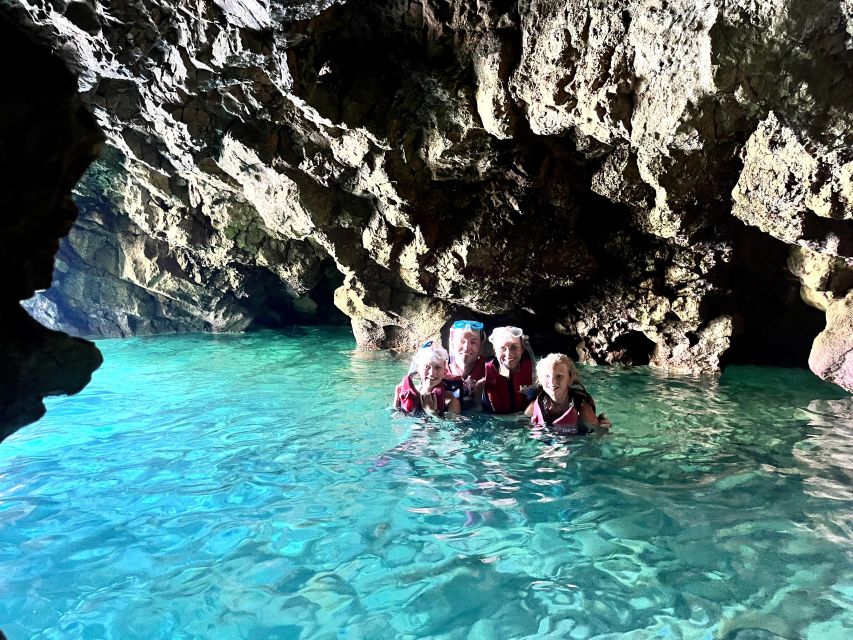
The first scenic point is Illot de la Mona, a small offshore feature passed on the way toward Cabo de San Antonio. It is primarily a view stop rather than a long landing, so you continue in the kayak and take in the coast from the water.
This early section helps you settle into the boat. You get used to the paddle, the rhythm of moving with the group, and the sensation of being on the open sea. If the surface is calm, it should feel like a pleasant warm-up. If the sea is choppy, this is where you may discover that the excursion demands more balance than a sheltered harbor paddle.
That distinction is important. A kayak can feel stable near shore, but moving water creates a different experience. One outing became much less enjoyable for some participants because the sea was very wavy, with a few people tipping over and others becoming badly seasick. Medication was handed out by the guide on that occasion, but it did not solve the problem for everyone.
If you are prone to motion sickness, check the forecast and sea conditions before going. A calm day can make this trip memorable for all the right reasons. A rough day can turn the same route into hard work.
Rounding the 100-meter Cabo de San Antonio
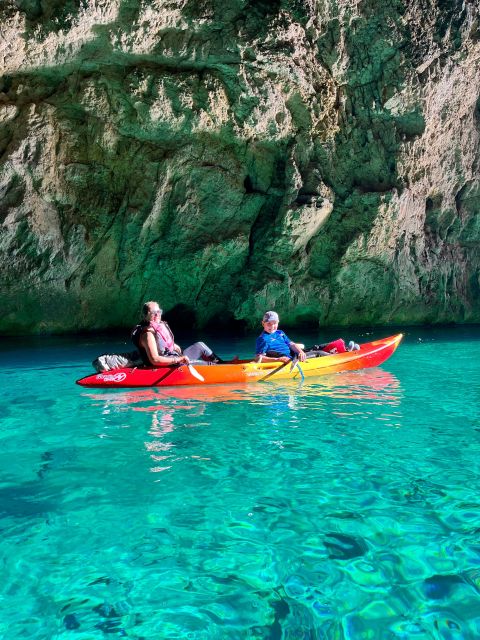
Cabo de San Antonio is the visual centerpiece of the route. The cape rises more than 100 meters above the water, so seeing it from a kayak gives you a different sense of its scale than viewing it from land.
You pass the cape and continue toward the Primera Cala de San Antonio, entering the area protected as a marine reserve. The reserve is the reason this part of the coast feels especially worthwhile. The water is described as clear, and the snorkeling offers a chance to see fish and other sea life close to the rocks.
The route does not promise a particular species, and visibility depends on the conditions. Still, the combination of clear water, rocky coast, and limited access makes this a stronger snorkeling setting than a standard beach swim. You are not simply stopping for a quick dip. The schedule allows about an hour for swimming, snorkeling, marine life viewing, and enjoying the cove.
I like this balance. The paddle gives the trip movement and scenery, while the long stop gives you time to slow down. You can swim, look beneath the surface, and enjoy the cove without spending the entire tour in the kayak.
More Sea Cave Kayak Tours in Spain
- Mallorca: Kayaking, Sea Cave, Cliff Jumping & Snorkel Tour
★ 4.8 · 1,447 reviews - Ibiza: Snorkeling and SUP Paddle, Beach and Cave Tour
★ 4.7 · 1,264 reviews - Costa Brava: Sea Caves Kayaking and Snorkeling Tour
★ 4.8 · 1,060 reviews - Mallorca: Kayaking, Sea Cave, Cliff Jumping & Snorkel Tour
★ 5.0 · 769 reviews
An hour at Primera Cala de San Antonio
Primera Cala de San Antonio is the main water stop and the place where the tour earns much of its appeal. It sits inside the marine reserve and is reached from the sea, not by a standard road or a simple walk from town.
The snorkeling is done from the water, and the outing provides the equipment. That makes it easy if you do not want to pack your own mask and fins or buy gear for a single day. You should still bring your own sunscreen and water, since neither is listed among the included items.
The protected setting does not guarantee calm water. The key practical point is that there is no firm ground underfoot for much of the stop. The kayaks are tied together in the water, and you get out from there before returning to them after the cave visit. This can feel exciting and unusual, but it may unsettle anyone who is not a confident swimmer.
The guides help keep the group organized, and the cliff jumping is handled with care. You can watch if jumping is not for you. The tour is not only for adrenaline seekers, despite the chance to leap from the rocks.
Entering the cave by water
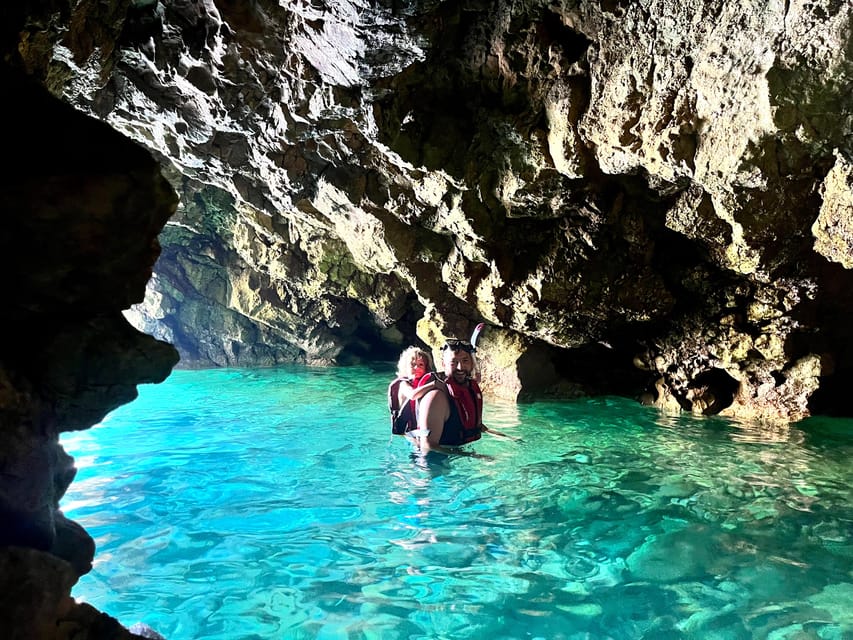
The cave is the most unusual part of the route. It is reached inside the marine reserve and is accessible only by snorkeling, so you leave the kayak and move through the water rather than walking into a dry passage.
Inside, light filters through the water and gives the cave a different mood from the bright coast outside. The effect is one reason the cave is often the part people remember most. It is also where your water shoes and waterproof bag become useful, though you should still follow the guide’s instructions closely.
The cave visit requires comfort in the water. You should not expect a stable path, handrail, or ordinary cave floor. The kayaks are secured together, and you re-enter them after seeing the cave. If you are a weak swimmer or uneasy in deep water, this section may be more stressful than enjoyable.
For confident swimmers, the cave gives the trip a clear sense of discovery without requiring a long hike or technical equipment. It is a short, memorable stop, and the guide explains the area before the group moves through.
Cliff jumping at the remote cove
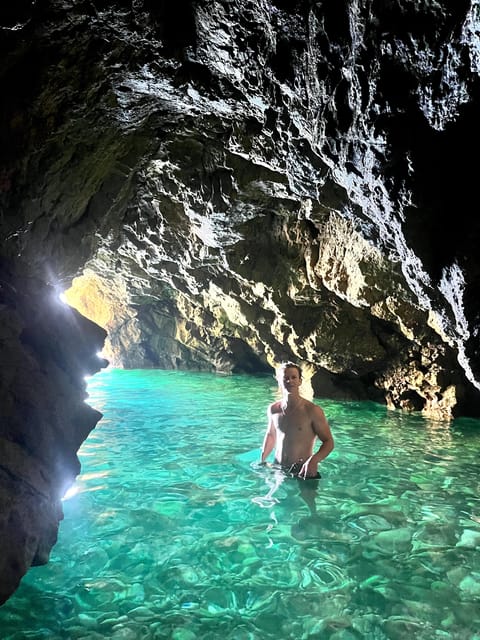
After snorkeling and the cave visit, there is time for cliff jumping in the remote coastal area. The jump is optional, so you can enjoy the views, watch the action, or remain in the water without taking part.
This is a good example of how the tour serves different personalities. One person can treat the trip as a scenic paddle and snorkeling outing, while another can add a burst of adrenaline. The guides supervise the activity, and the experience includes a video if you take the jump, according to the details provided by a recent participant.
Do not feel pressured to jump simply because others do. You are already dealing with a kayak, open water, and a cave entry. If you choose to leap, listen to the guide and use the designated area. If you do not, the stop still offers a chance to swim and enjoy the coast from an unusual angle.
Passing Cala Tangó and paddling back
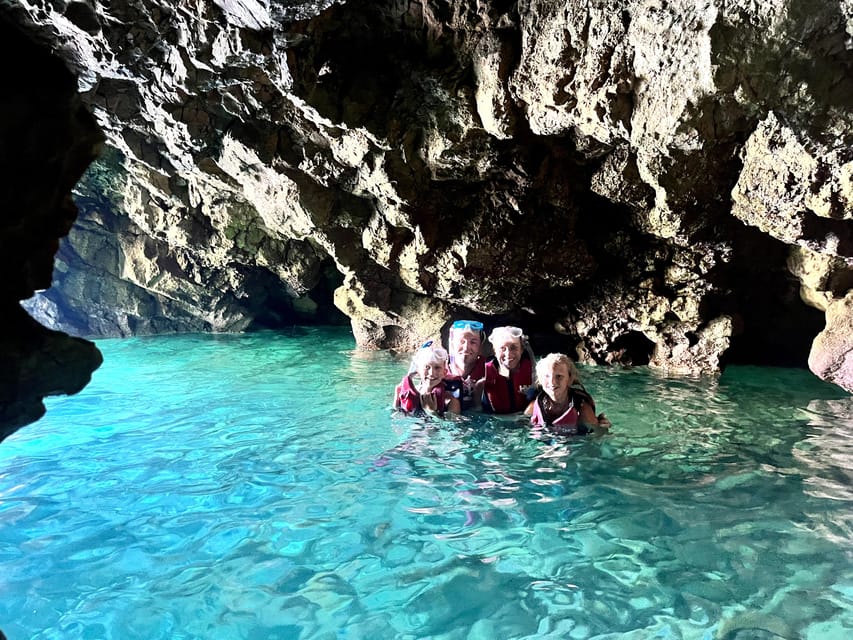
The return route passes Cala Tangó before arriving back at the same beach meeting point. This section is more about the changing coastal views and the satisfaction of completing the loop than another major activity stop.
By this point, you may feel the three hours. Paddling, swimming, getting in and out of the kayak, and dealing with sun and open water all require energy. The fixed duration keeps the outing manageable, but it also means the schedule is active rather than leisurely.
The return is easiest for people who pace themselves at the first stop. You do not need to spend every minute snorkeling or jumping. Save some energy for the paddle back, and keep drinking water.
Who will enjoy this tour most
I would recommend this outing to confident swimmers who enjoy a bit of adventure and want more than a typical beach afternoon. It suits couples, friends, and families with older children who can manage the water and follow instructions.
Children from 4 to 12 must be accompanied by an adult. Children under 4 are not accepted, and the tour is not suitable for pregnant women, non-swimmers, or anyone over 100 kilograms, which is about 220 pounds.
The trip also works well for a mixed-ability family if everyone understands the conditions. A family group of eight with different fears and skill levels still found the guides patient and helpful. That said, the water entry and open-sea sections remain real considerations. A nervous swimmer may enjoy watching the cliff jump but still struggle with the cave transfer.
You should think twice if you get seasick easily. The open water is the biggest risk to your enjoyment, not the length of the trip. Choose a day with light conditions if possible, and ask about the sea before setting out.
Is three hours enough for the reserve?
Three hours is enough to cover the main sights without making the activity an all-day commitment. You pass Illot de la Mona, round Cabo de San Antonio, spend about an hour at Primera Cala, visit the cave, allow time for cliff jumping, pass Cala Tangó, and return to Xàbia.
The pace is active. You will not have long, unstructured periods at every stop, and the group needs to move together. In exchange, you see several sides of the coast in one outing: the tall cape, the reserve, the snorkeling water, the cave, and the rocky coves.
That compact schedule also makes the tour easy to fit into a Xàbia visit. You still have much of the day for other plans, provided you leave room for the drive or walk to and from the beach meeting point.
Should you book the San Antonio kayak tour?
Book it if you want a small-group outing with clear water, a marine reserve, a cave reached by snorkeling, and an optional cliff jump. The included gear and photos make $71 a fair price, especially if you do not have your own kayak or snorkeling equipment.
Skip it if you are a non-swimmer, prone to serious seasickness, pregnant, or uncomfortable in open water. Also reconsider if you want a quiet beach trip with solid ground underfoot.
For the right person, this is a lively and well-organized way to see the coast around Xàbia. Check the sea conditions, bring water and sunscreen, and arrive ready to paddle, swim, and get a little wet.
FAQ
Where does the Xàbia kayak and snorkeling tour meet?
The meeting point is directly on the beach at Av. del Mediterráneo, 5. Look for a small beach bar, a large Siesta Advisor tent, and staff wearing Siesta Advisor T-shirts.
How long does the tour last?
The activity lasts three hours, including the kayak route, snorkeling, cave visit, cliff jumping opportunity, and return to Xàbia.
What languages does the guide speak?
The live guide speaks Spanish and English.
What equipment is included?
The tour includes kayaking gear, life jackets, snorkeling equipment, water shoes, waterproof bags, and professional photos.
Is hotel pickup included?
No. Hotel pickup and drop-off are not included, so you need to reach the beach meeting point yourself.
Can children join the tour?
Children under 4 cannot join. Children from 4 to 12 must be accompanied by an adult.
Who should not take this tour?
The activity is not suitable for pregnant women, non-swimmers, people over 100 kilograms, or children under 4. It may also be a poor choice for anyone who gets seasick easily because parts of the route reach open water.
Just added around Spain
- Paddle Surf in Cantabria★ 4.5 · 21 reviews
- Kayak Route + Snorkel in Cantabria★ 4.5 · 9 reviews
- Small Group Paddle Surf Experience in Benidorm★ 4.0 · 7 reviews
- Paddle Board Paradise: Magical Snorkel & Cave Exploring SUP Tour★ 5.0 · 10 reviews
- Moonlight Kayak with Dinner Included★ 4.5 · 6 reviews
- Route in Kayak Moraira★ 5.0 · 28 reviews
- Kayak routes through the Coves of Villajoyosa★ 4.5 · 42 reviews
- Kayak excursion to Cova dels Coloms from Platja Mascarat★ 5.0 · 37 reviews
Sea Cave and Grotto Kayaking, side by side.
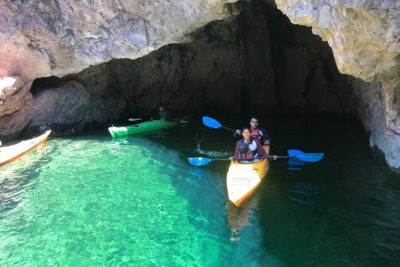
Half-Day Emerald Cave Kayak Tour with Optional Hotel Pickup
Read our review →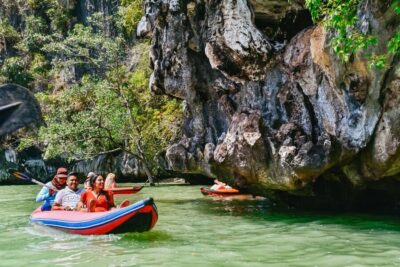
Phang Nga Bay Sea Cave Canoeing & James Bond Island by Big Boat
Read our review →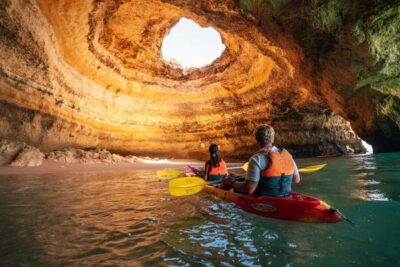
Kayaking Tour to the Benagil Cave (Free Shower)
Read our review →
Cozy Bay Halong 5-Star Day Cruise, Buffet, Cave, Kayak, Swimming
Read our review →
Emerald Cave Kayak Tour: Scenic Paddle with Optional Shuttle
Read our review →
Caves, Beaches, and Secret Spots Guided Kayak Tour
Read our review →
Halong Bay Day Tour With Titop Island, Cave, Kayak & Lunch
Read our review →